
Most buyers in Canada make their offer conditional on a home inspection. A few days later, their inspector hands them a report, and every item on it becomes something to talk about. Some buyers ask for a lower price. Some ask you to fix things before closing. A few walk away.
We've seen a lot of these reports, and the same issues come up again and again. Most of them are easy to fix if you deal with them before you list. The rest are easier to manage when you know about them first and can show the buyer you've taken care of them.
Practical Takeaways
- Signs of water are the biggest red flag on any inspection report. Find and fix the source first.
- Small, visible issues like worn caulking and loose railings are cheap to fix and make a big difference to how a report reads.
- Electrical, plumbing and roof issues need a licensed professional. Get them assessed early.
- For older systems, gather service records and receipts. They reassure buyers more than you'd expect.
- Never cover up a problem. It can come back to you after the sale.
1. Signs of water or moisture
Water is the first thing an inspector looks for and the issue buyers worry about most. Inspectors check basement walls and floors, ceilings below bathrooms, the area under sinks and around windows. They look for stains, damp spots, white chalky deposits on concrete, peeling paint and musty smells.
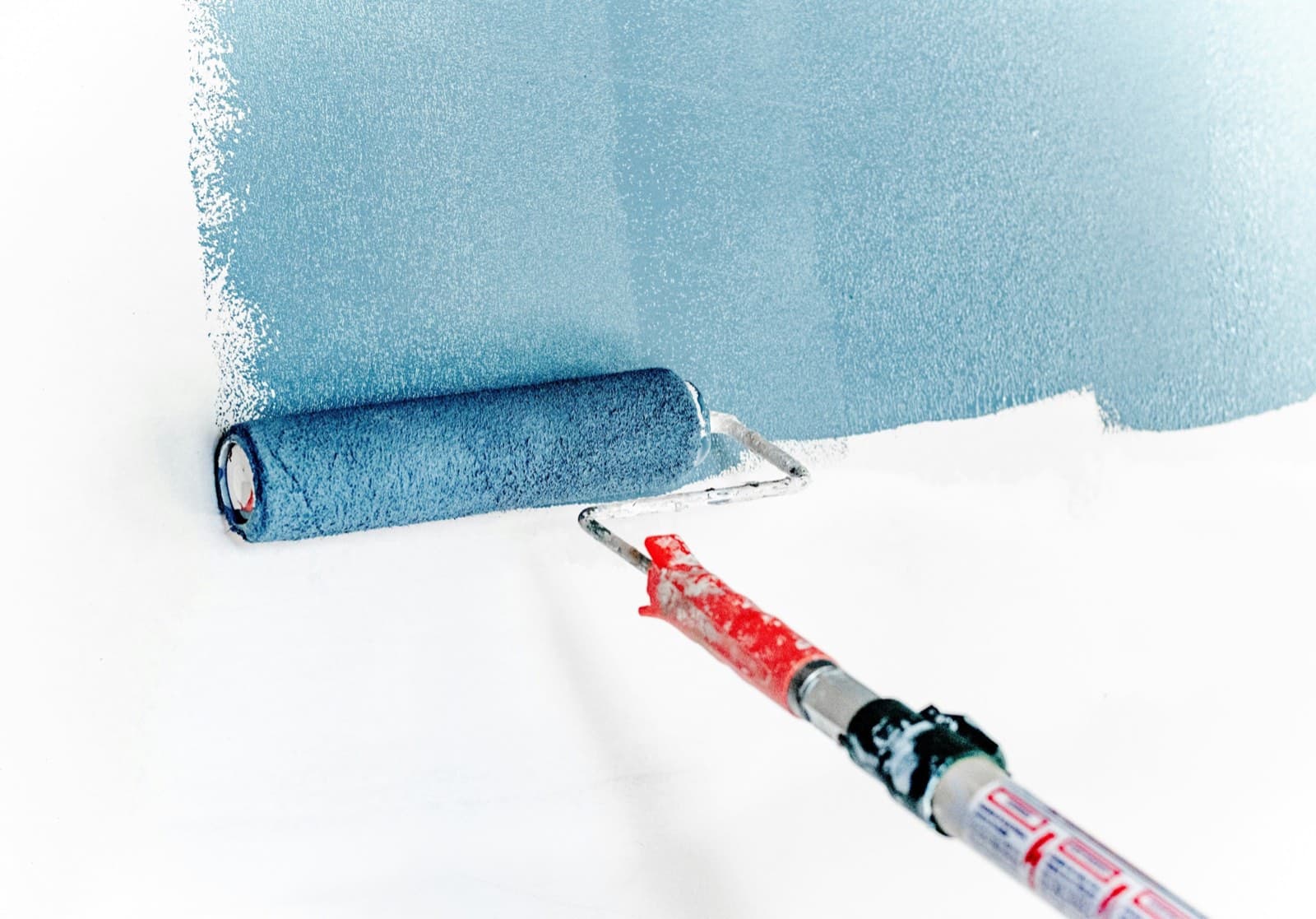
A water stain doesn't always mean an active leak. It might be from a problem that was fixed years ago. But to a buyer, it raises a question you want to answer before they ask. Find the source, fix it and keep the receipt. Once it's dry, repair and repaint the stained area so the report shows a fixed problem, not a mystery.
2. Poor drainage around the foundation
Inspectors walk the outside of the house and look at where water goes when it rains. Common flags include:
- Soil that slopes toward the house instead of away from it
- Downspouts that empty right beside the foundation
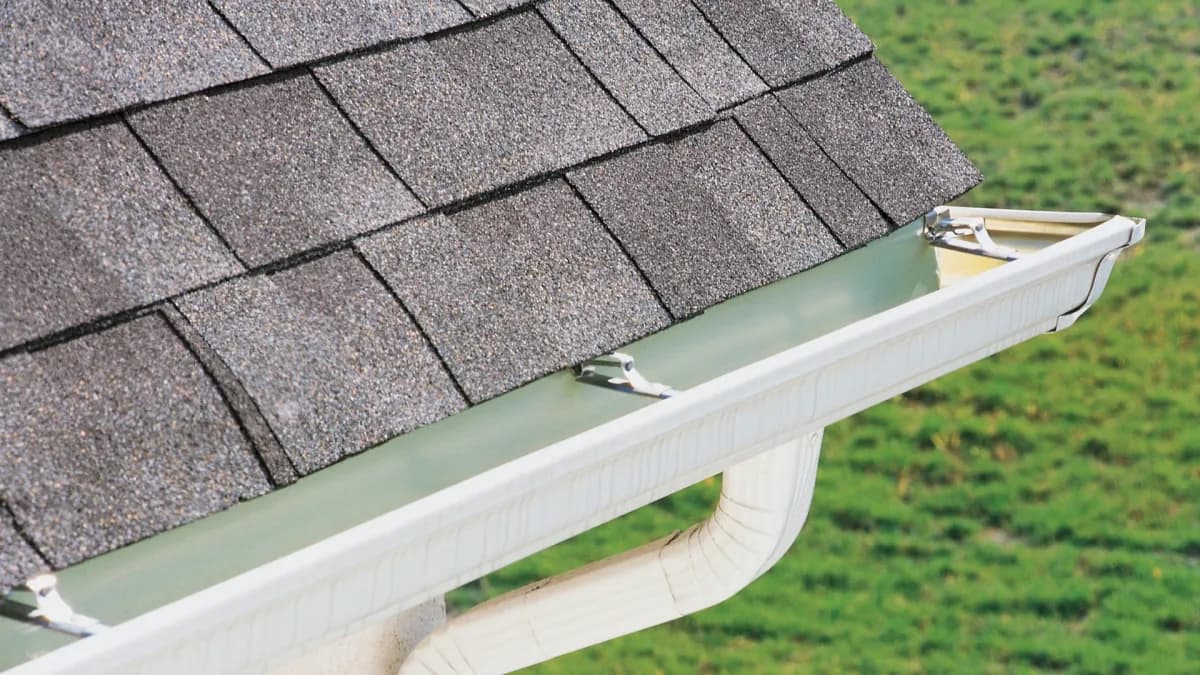
- Eavestroughs that are clogged, sagging or leaking
- Window wells full of leaves
These are some of the easiest items to fix. Regrade low spots, add downspout extensions and clean the eavestroughs. If you're listing in spring, also check for anything winter shifted or damaged.
3. Worn caulking and weatherstripping
Cracked caulking around windows, doors, tubs and showers shows up on almost every report. So does worn weatherstripping on exterior doors. On its own, it's a small item. But inspectors flag it because gaps let water and air in, and buyers read it as a sign the home hasn't been well maintained.
Fresh caulking and weatherproofing is one of the best-value fixes before listing. Clean caulk lines also make the kitchen and bathroom look newer.
4. Loose railings, uneven steps and deck issues
Inspectors check every railing, handrail and step, inside and out, because they're a safety issue. A railing that moves, a step that rocks or a deck board that's soft or cracked will end up on the report.
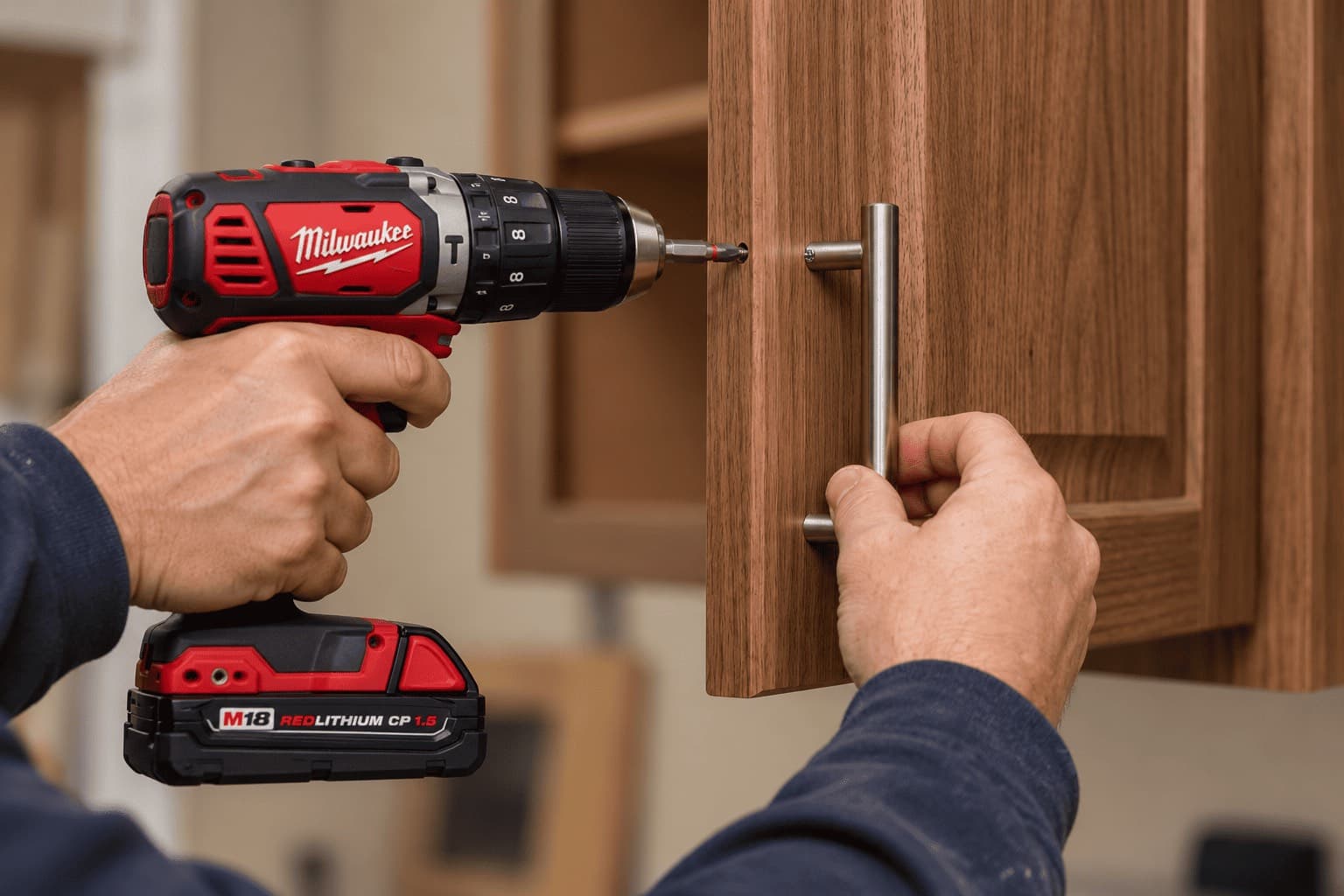
On decks, they also look at the posts, footings and the connection to the house. Frost can lift footings over the winter, which leaves steps and decks out of level. Most of these are straightforward deck and porch repairs, and fixing them takes a safety item off the report entirely.

5. Outdated or DIY electrical work
Electrical items are some of the most common flags in older Canadian homes. Inspectors look for:
- Outlets that aren't grounded, or the wrong type near sinks and outside
- Missing cover plates and loose outlets
- Older wiring types, like knob-and-tube or aluminum branch wiring
- Signs of DIY work, like extension cords used as permanent wiring or a crowded electrical panel
Any of these can make a buyer nervous, and some can affect their insurance. Electrical work needs a licensed electrician, so get these items assessed early. If something needs upgrading, a quote or a completed permit can go a long way with a buyer.
6. Aging roof, furnace and water heater
Inspectors estimate how much life is left in the big-ticket items: the roof, furnace, air conditioner and water heater. If any of them are near the end of their expected life, the report will say so, and the buyer will factor a replacement into their offer.
You don't necessarily need to replace them before selling. What helps is information. Pull together the installation dates, service records and any warranty paperwork. A furnace that's older but has been serviced every year looks very different on paper from one with no history at all.
7. Doors and windows that stick or have failed seals
Inspectors open and close every door and window. Doors that stick, don't latch or have gaps around the frame get noted, as do windows that are hard to open, have torn screens or show fog between the panes. Fog between the panes usually means the seal has failed.
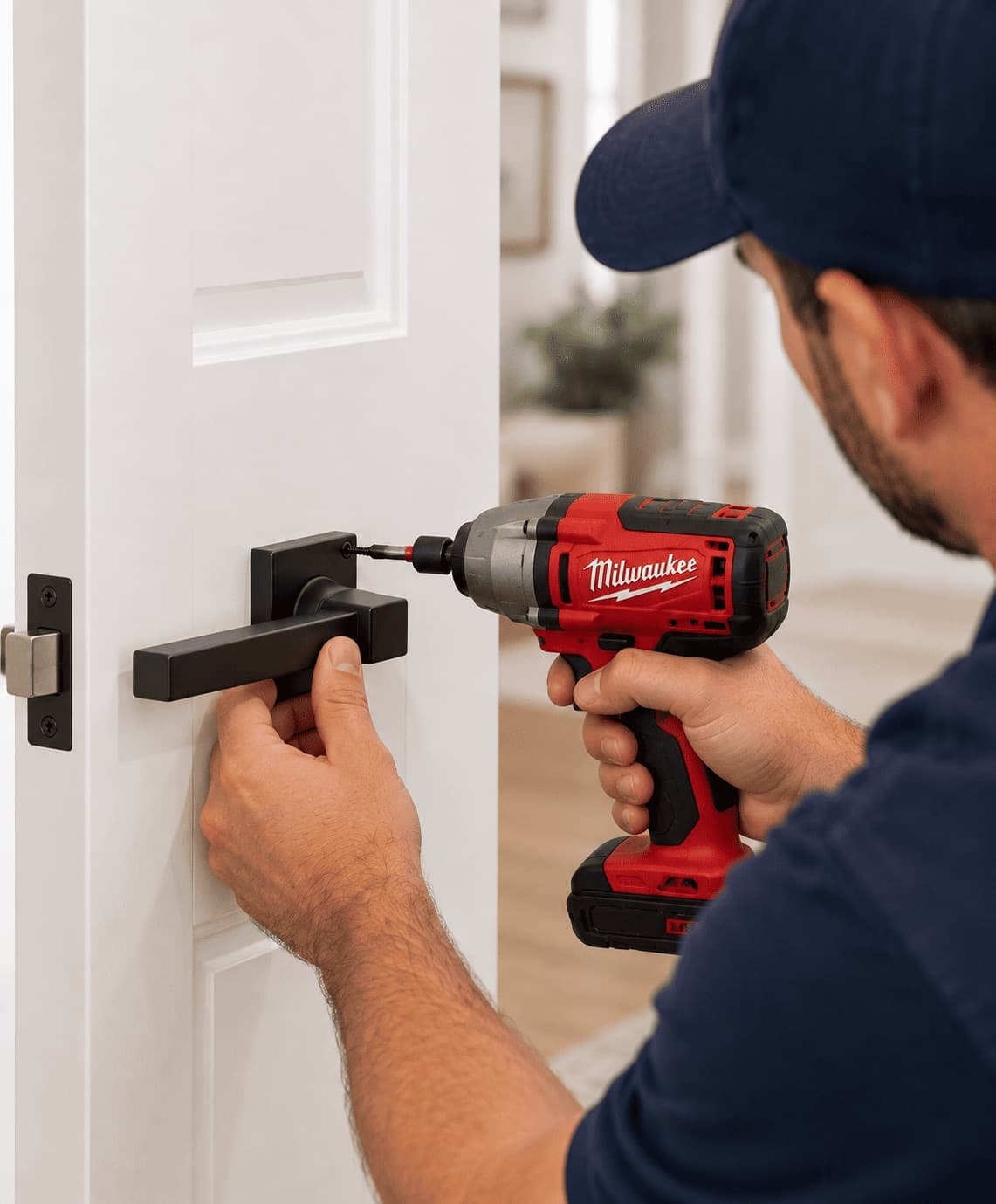
Sticking doors and loose hardware are usually quick adjustments. Worn windows, doors and trim can be repaired or adjusted so everything opens, closes and locks the way it should. Failed window seals mean replacing the glass unit, which is good to know about before a buyer points it out.
Get ahead of the report
Every home has something on its inspection report. The goal is to keep the list short and show buyers the home has been looked after.
If you're not sure where to start, take a look at who to call before you list and in what order. With BQHS Sale-Ready, we walk through your home the way a buyer's inspector would, give you a prioritized fix list with one price up front and finish the work before your listing date. If you're an agent, we can do the same for your sellers.
Disclaimer: This article is general information for home sellers, not real estate, legal or inspection advice. Disclosure requirements differ by province. Talk to your real estate agent about what you need to disclose, and use a licensed professional for electrical, plumbing, gas and roofing work.
Frequently Asked Questions
- What do home inspectors look for in Canada?
- Inspectors check the structure, roof, exterior, drainage, plumbing, electrical, heating and cooling, insulation and interior. The most common flags are signs of water, poor drainage, worn caulking, loose railings, electrical issues and aging systems.
- What is the biggest red flag on a home inspection?
- Signs of water or moisture, like stains, damp spots or musty smells. Water damage can point to bigger problems, so buyers take it seriously.
- Should I fix everything before selling?
- No. Focus on the items a buyer's inspector would flag, especially safety and water issues. For bigger items like an older roof or furnace, records and quotes are often enough.
- Can I sell a house with knob-and-tube wiring?
- Yes, but it may make it harder for buyers to get insurance. Have a licensed electrician assess it before you list, and talk to your agent about how to handle it.
- Should I get a pre-listing inspection?
- Yes, especially for older homes. Knowing what a buyer's inspector will find gives you time to fix it or plan for it.
- Do I have to disclose problems when selling my house?
- Disclosure rules vary by province. In general, you shouldn't hide known problems. Talk to your real estate agent or a lawyer about what you need to disclose.