
Every home needs a regular once-over, but there's no single schedule that's right for all of them. A two-year-old townhouse and a 1960s bungalow with original windows simply don't wear the same way.
For most Canadian homes, twice a year is the sweet spot: once in the spring to deal with what winter left behind, and once in the fall to get ready for the next one. Some homes can get by with less, and some need more. The age of your home, its size and how you use it all play a part.
Practical Takeaways
- A full check-up twice a year, in spring and fall, suits most Canadian homes.
- Newer homes with owners who handle small fixes themselves can usually manage with one thorough fall check-up.
- Older, larger or rental homes, and homes that sit empty for stretches, benefit from a check-up every season.
- Some jobs, like changing furnace filters, need doing more often no matter which schedule you follow.
Which schedule fits your home
| Check-ups per year | Usually right for | Best timing |
|---|---|---|
| Once | Newer homes, condos and townhouses with less exterior to maintain, and owners who are comfortable doing small fixes themselves | Fall, before winter |
| Twice | Most detached and semi-detached homes, especially in areas with hard winters and heavy freeze-thaw | Spring and fall |
| Four times | Older homes, larger homes, rentals, cottages and homes that are left empty for weeks at a time | Every season |
Once a year: newer homes and hands-on owners
If your home is less than 10 years old and you're comfortable doing small jobs yourself, one thorough check-up a year is usually enough. Newer materials, modern windows and a tighter building envelope mean fewer surprises.
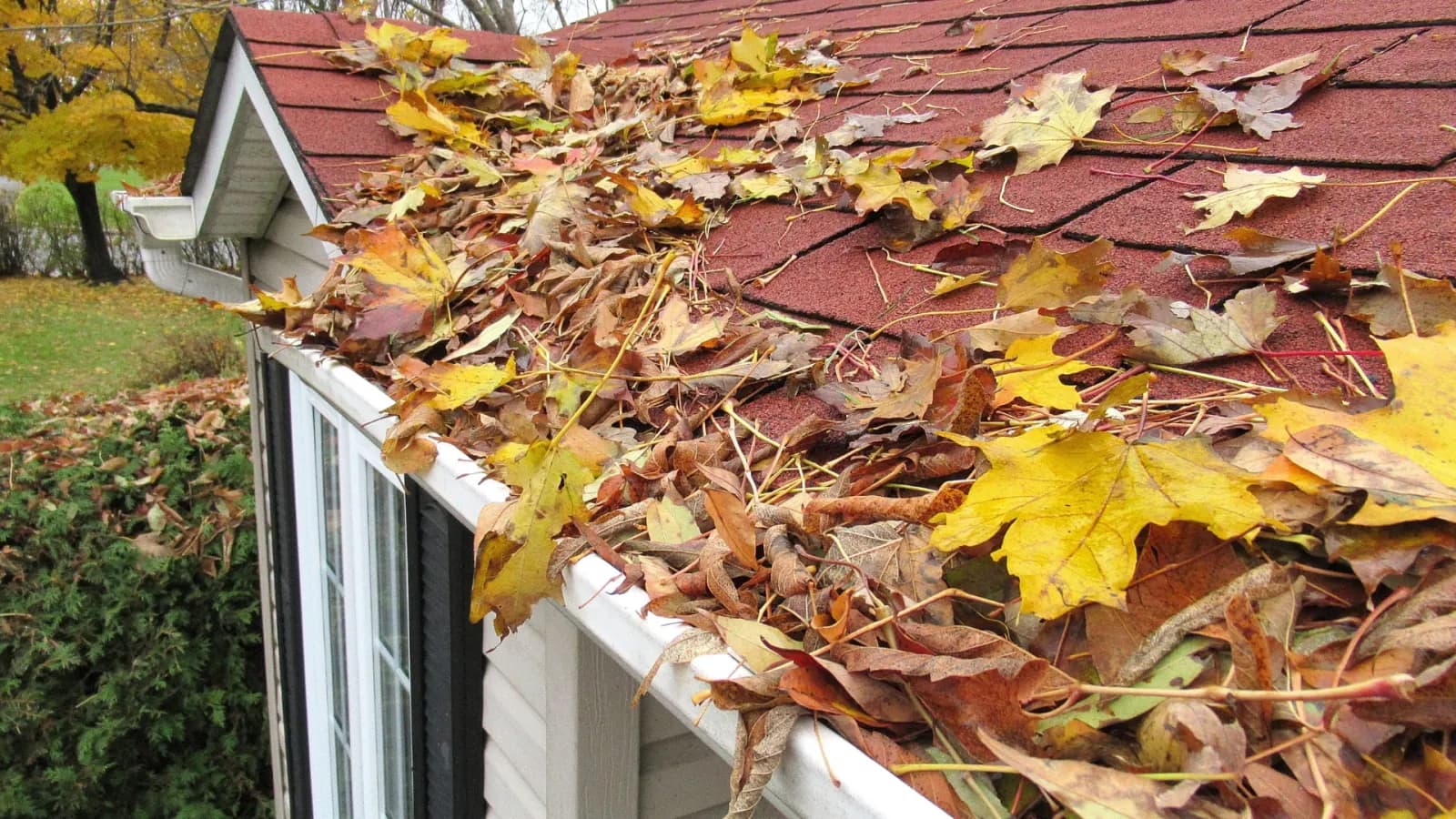
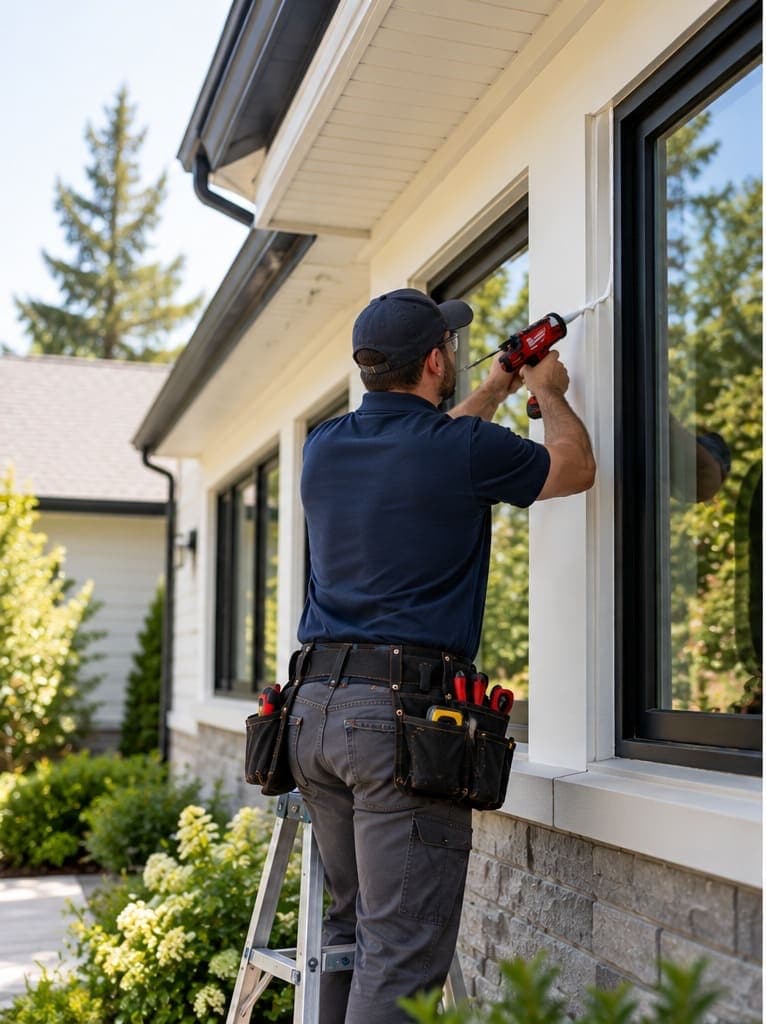
Make it count by doing it in the fall. That's when you can catch the issues that cause the most damage in winter, like cracked caulking, worn weatherstripping and clogged eavestroughs. Between check-ups, keep an eye on anything you notice and deal with it as it comes up.
Twice a year: most Canadian homes
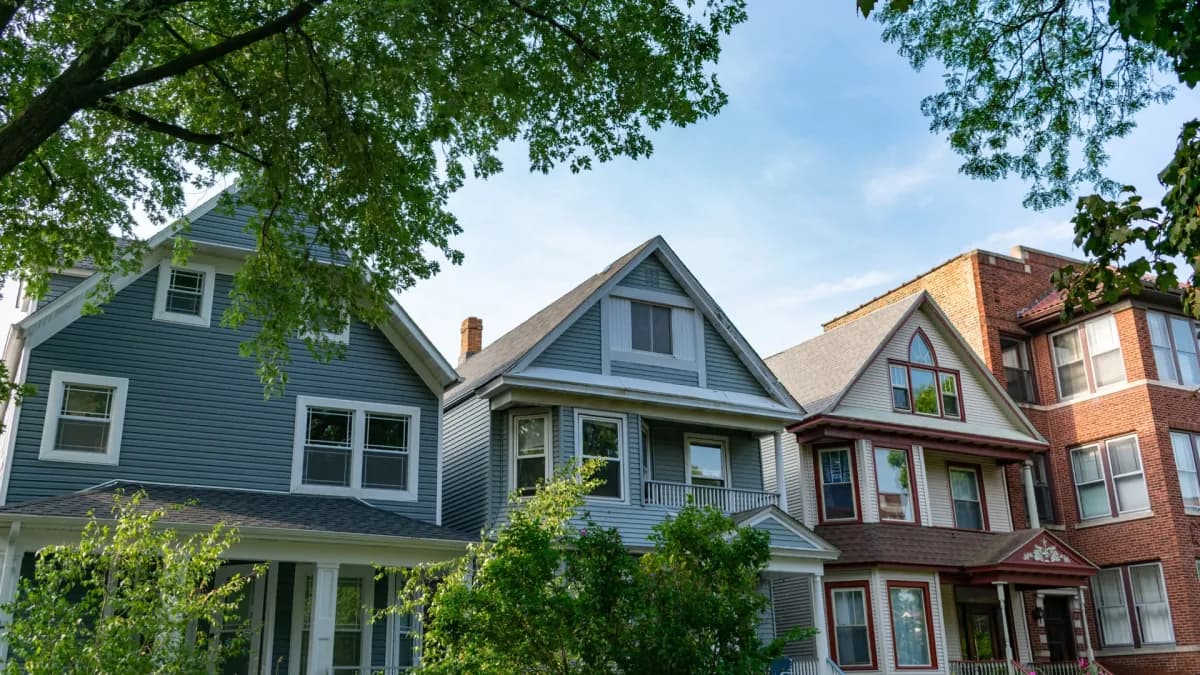
Canadian winters are hard on a house. Snow, ice and months of freezing and thawing open up gaps, loosen railings and push water into places it shouldn't be. Checking twice a year means you catch damage on the way into winter and on the way out.
Each visit has a different focus:
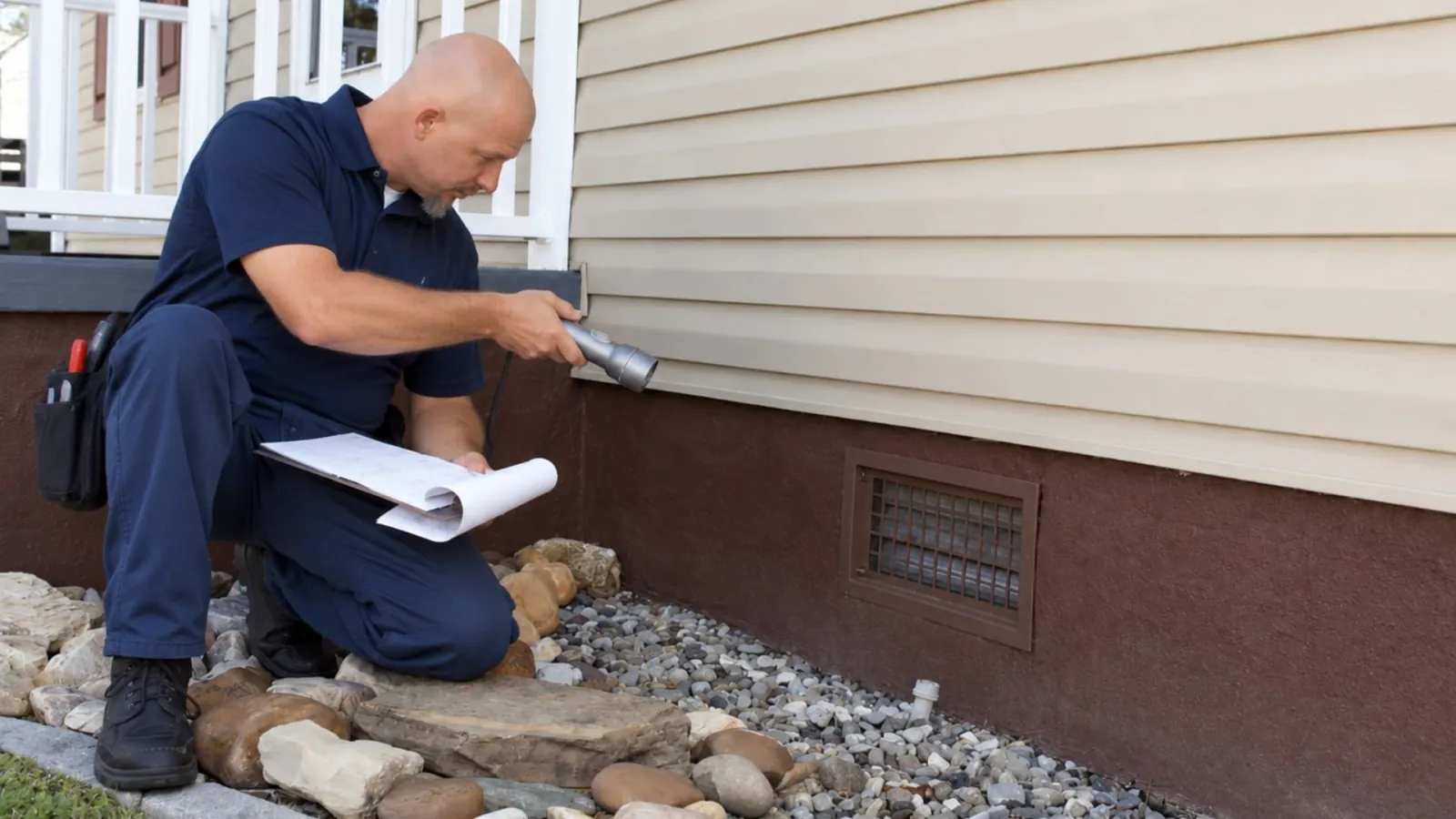
- Spring: look for winter damage to the roof edges, eavestroughs, caulking, decks, fences and steps, and check the basement for any signs of water.
- Fall: take care of the jobs that prevent winter damage, like resealing gaps, replacing worn weatherstripping, clearing the eavestroughs and shutting off outdoor taps.
Four times a year: older, larger or busier homes
Some homes need more attention, and checking in every season keeps small problems from building up between visits.
Older homes are the most common example. They tend to have more original materials, like wood windows and exterior trim, that wear faster and need regular care. Larger homes simply have more to look after, and a twice-a-year check can miss things.
Seasonal check-ups also make sense if you:
- Rent out your home or a unit in it
- Own a cottage or a home that sits empty for weeks at a time
- Spend part of the winter away
- Are looking after a home for an aging parent
- Have had water problems in the past
Some jobs need doing more often
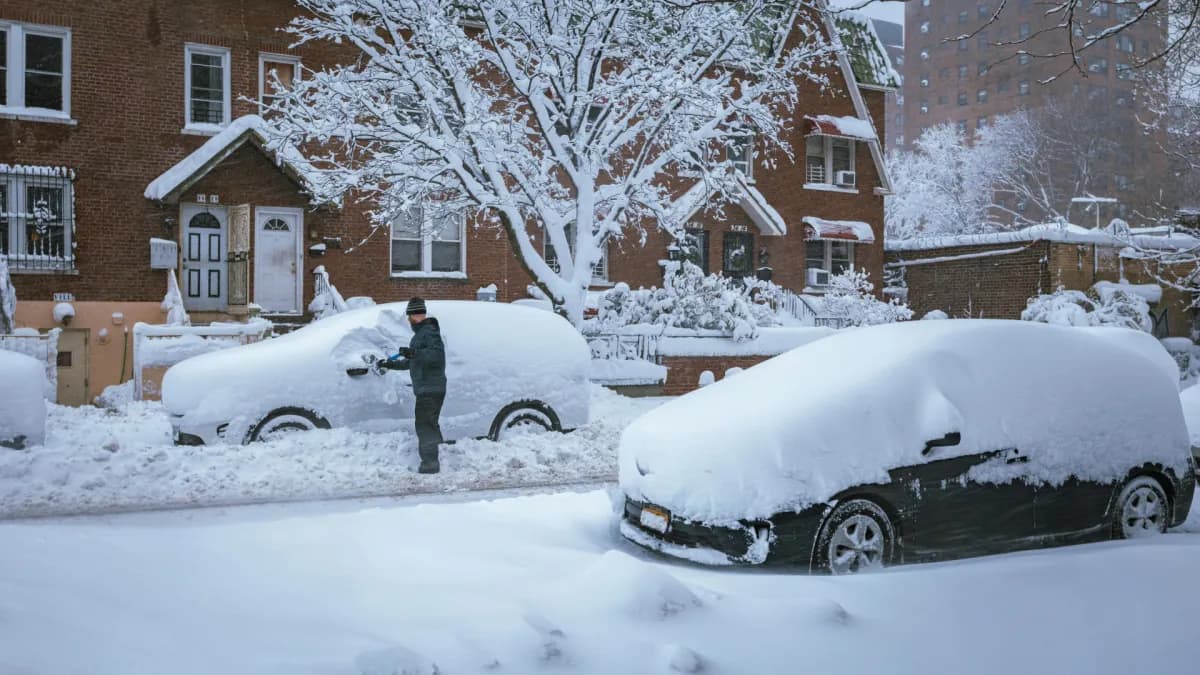
No matter which schedule you choose, a few tasks can't wait for the next check-up. Canada's housing agency recommends checking your furnace filter every month during the heating season, along with the range hood filter. If you have an HRV, its filters need cleaning every few months as well.
Your furnace should also be inspected and cleaned by a licensed heating technician once a year, ideally in the fall before you turn the heat back on.
Choosing a plan that fits
The right schedule is the one you'll actually stick to. If you'd rather not keep track of it yourself, a BQHS membership comes with one, two or four visits a year, and our short quiz will help you choose the right fit for your home. One of our technicians walks through your home each visit and leaves you with a plain-language report on what was checked, what was fixed and what to watch.
Disclaimer: This article is general information for homeowners. Every home is different, and some systems, like gas appliances and electrical panels, should only be serviced by a licensed professional. Follow the manufacturer's maintenance schedule for your equipment.
Frequently Asked Questions
- How often should I have my home checked?
- Most Canadian homes should get a full check-up twice a year, in spring and fall. Newer homes can often manage with one a year, while older, larger or rental homes benefit from a check-up every season.
- What's the best time of year for a home maintenance check?
- Fall is the most important, because it prepares your home for winter. Spring comes next, so you can catch and fix any damage winter caused.
- Does a new home need regular maintenance?
- Yes. Even a new home needs seasonal maintenance, and most new home warranties don't cover damage caused by skipped upkeep.
- How often should I change my furnace filter?
- Check it monthly during the heating season and replace it when it's dirty. Homes with pets, renovations or a lot of dust may need changes more often.
- Is a home maintenance check the same as a home inspection?
- No. A home inspection is usually a one-time report done when you buy or sell. A maintenance check-up is a regular visit to catch and fix small problems before they turn into bigger repairs.
- Do condos need maintenance check-ups?
- Yes, though usually less often. The condo corporation looks after the exterior and common areas, but inside your unit, things like caulking, weatherstripping, fixtures and filters are still your responsibility.