Most of the winter damage we see starts as something small that was easy to fix in October. A gap in the caulking lets water into the wall, a clogged eavestrough turns into an ice dam, or an outdoor tap that wasn't drained splits a pipe inside the house.
The jobs that prevent it are quick, and you can do most of them in a weekend. These are the five we'd prioritize before the first hard freeze.
Practical Takeaways
- Do these jobs before overnight temperatures drop below freezing for good, usually late October to mid-November in most of Canada.
- Focus on keeping water out first, then cold air.
- Reseal cracked caulking and replace worn weatherstripping on the doors you use most.
- Clean the eavestroughs after the leaves are down and make sure downspouts drain away from the house.
- Shut off and drain every outdoor tap before the first freeze.
1. Reseal gaps around windows, doors and siding
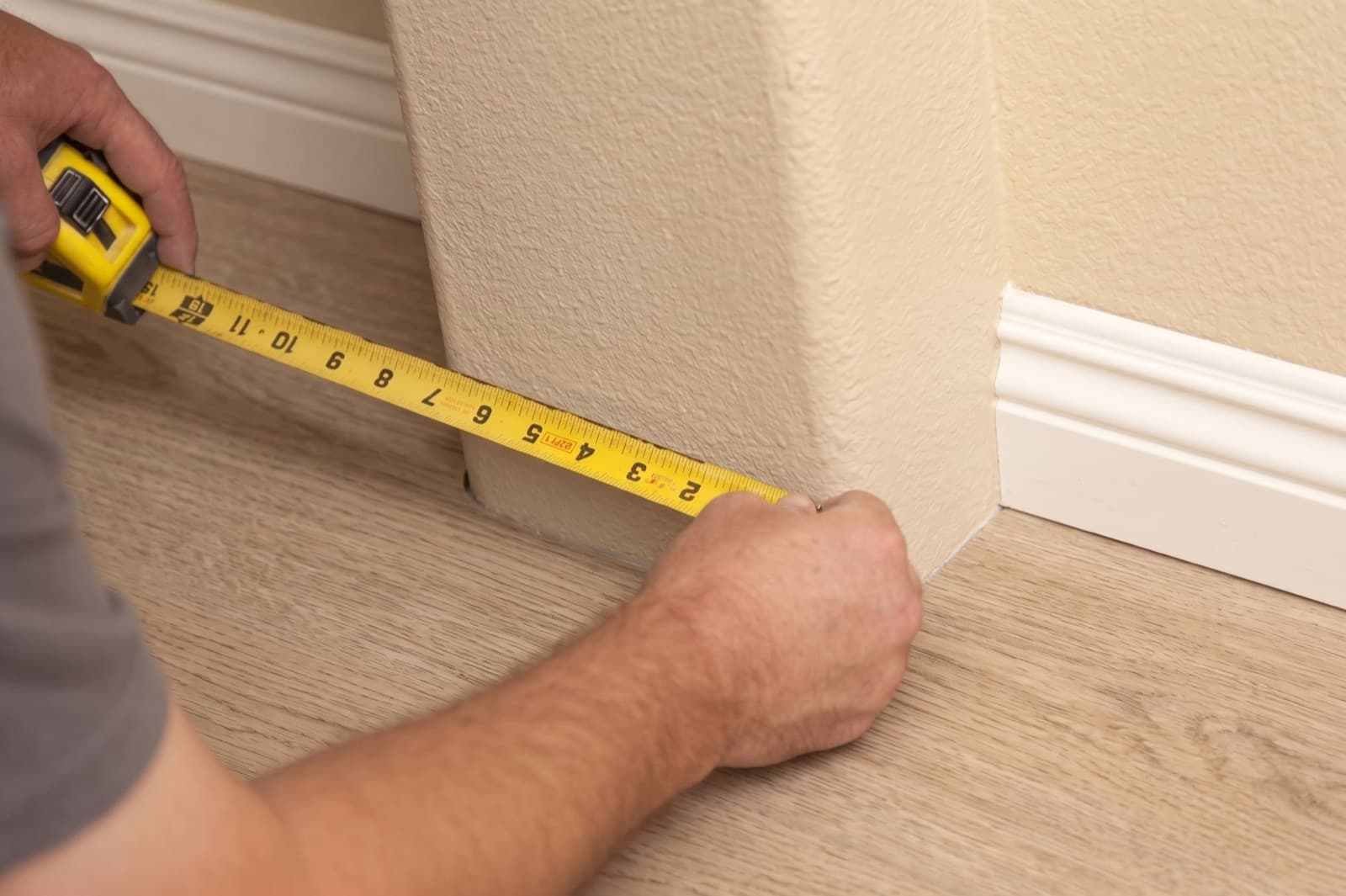
Exterior caulking has a hard life. Sun, rain and the swing between summer heat and winter cold make it shrink, crack and pull away from the surface, and once it does, water can get behind your siding and into the wall.
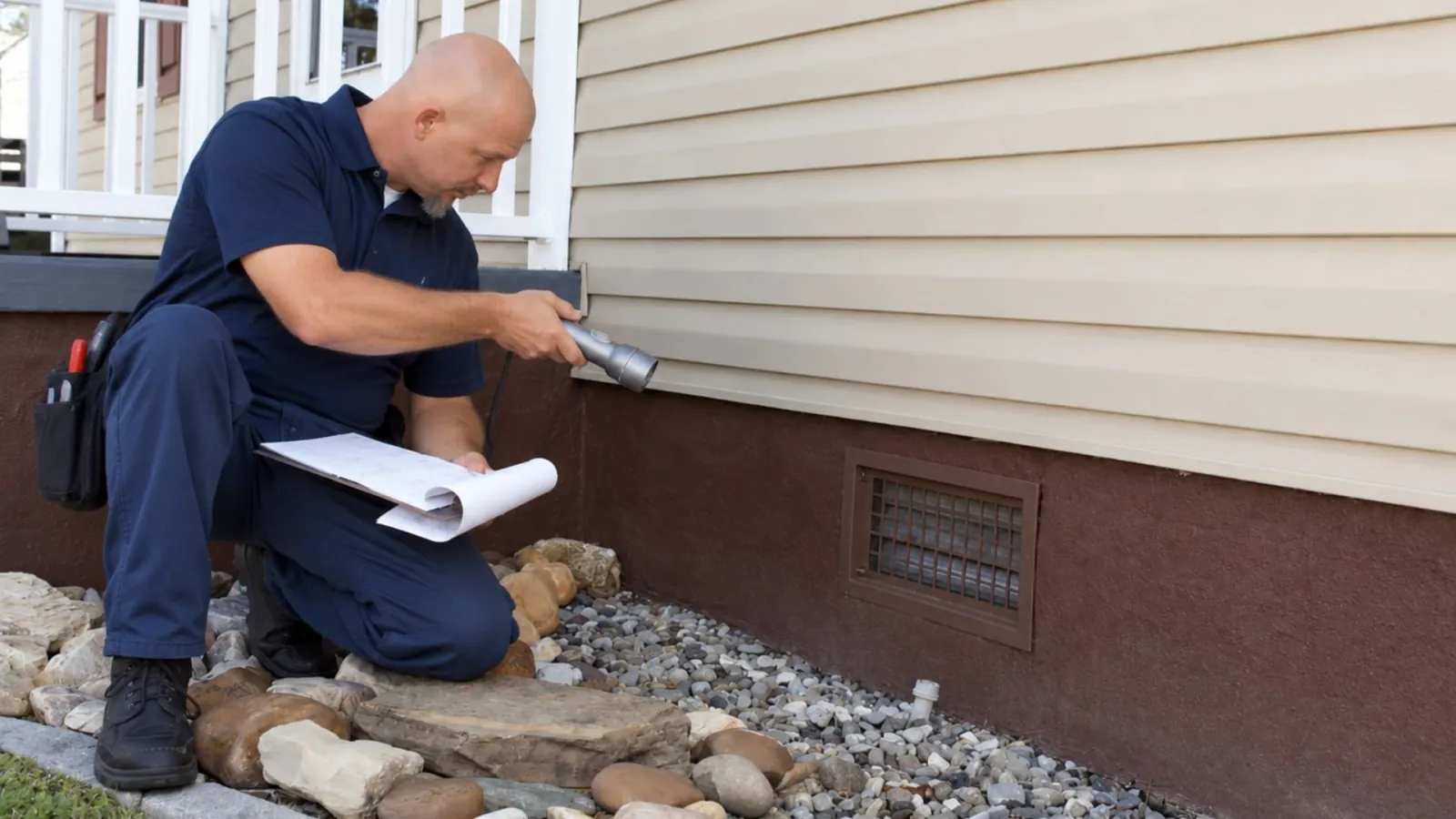
Walk around the house and look closely where different materials meet:
- Around window and door frames
- Where pipes, vents, wires and the dryer vent come through the wall
- Along corners and trim boards
- Where the siding meets the foundation
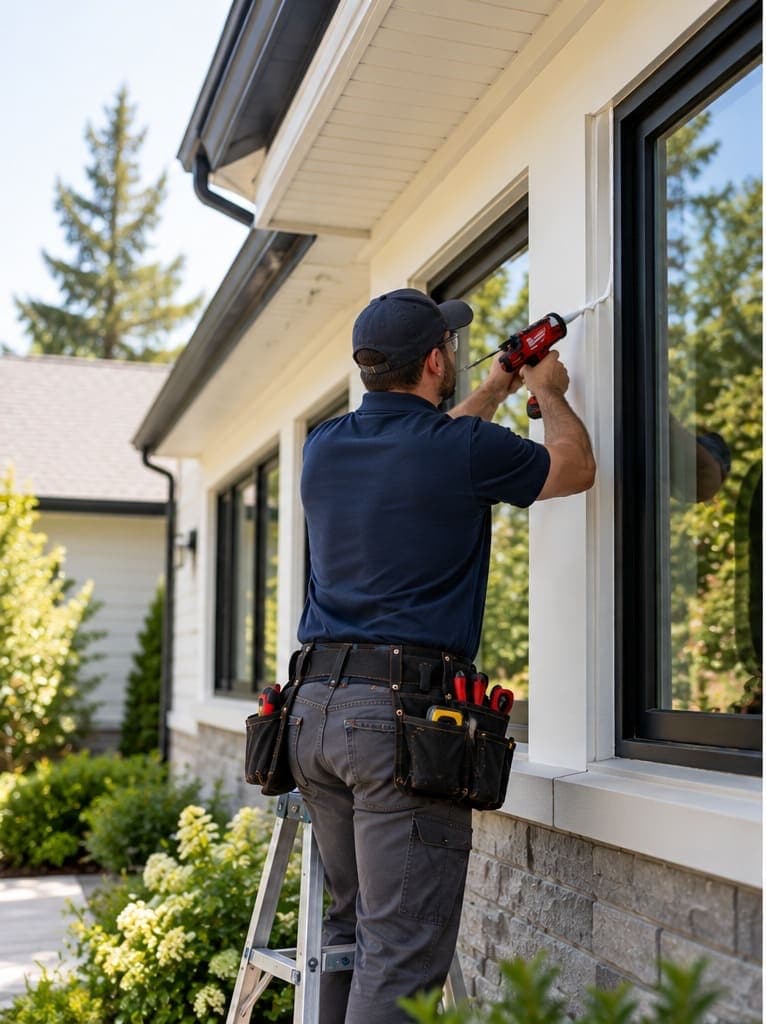
If the caulking is cracked, gaps open when you press on it or it has come loose, cut it out and apply fresh exterior-grade sealant. For anything wider than about 6 mm, fill the gap with foam backer rod first so the caulking doesn't sink in.
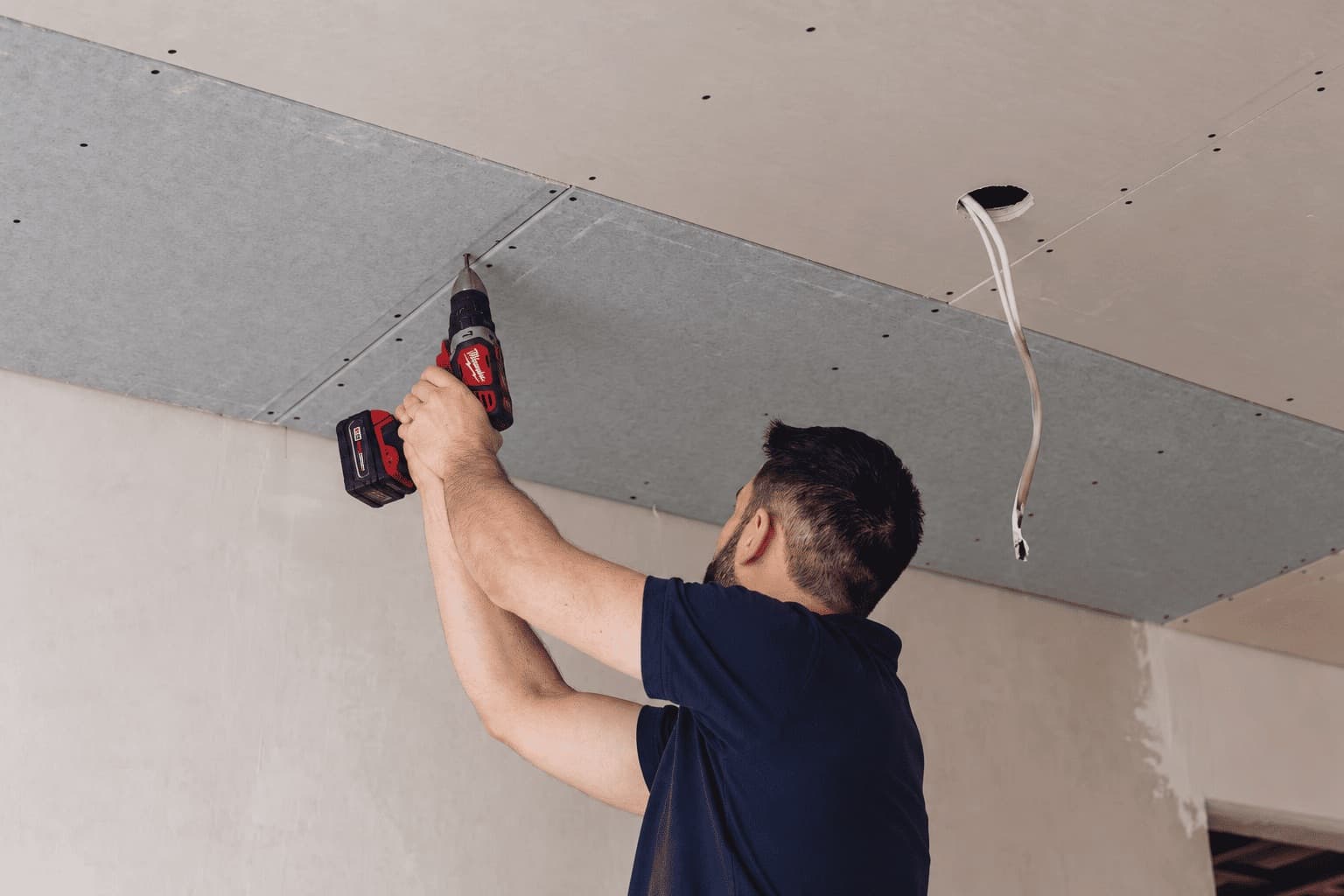
Sealing these gaps also helps with comfort. Windows and doors can account for up to 25% of a home's total heat loss, and much of that comes through the gaps around them. If you're finding more cracked caulking and weatherproofing than you expected, that's usually a sign the whole house is due for a reseal rather than a few spot repairs.

2. Replace worn door weatherstripping
Stand inside on a cold, windy day and hold your hand near the edges of your front and back doors. If you can feel a draft or see daylight around the frame, the weatherstripping isn't doing its job.
Weatherstripping gets crushed, torn and stiff over time, especially on the doors you use every day. Replacing it is inexpensive and usually takes less than an hour per door. Check the door sweep or threshold at the bottom as well, since that's often where the worst draft comes from.
Some products stiffen in the cold and stop sealing when you need them most, so choose flexible weatherstripping made for exterior doors. If a door still won't seal after new weatherstripping, it may have shifted in its frame, and adjusting the hinges or the door and trim usually solves it.
3. Clean your eavestroughs and redirect your downspouts
This is the job that prevents ice dams.
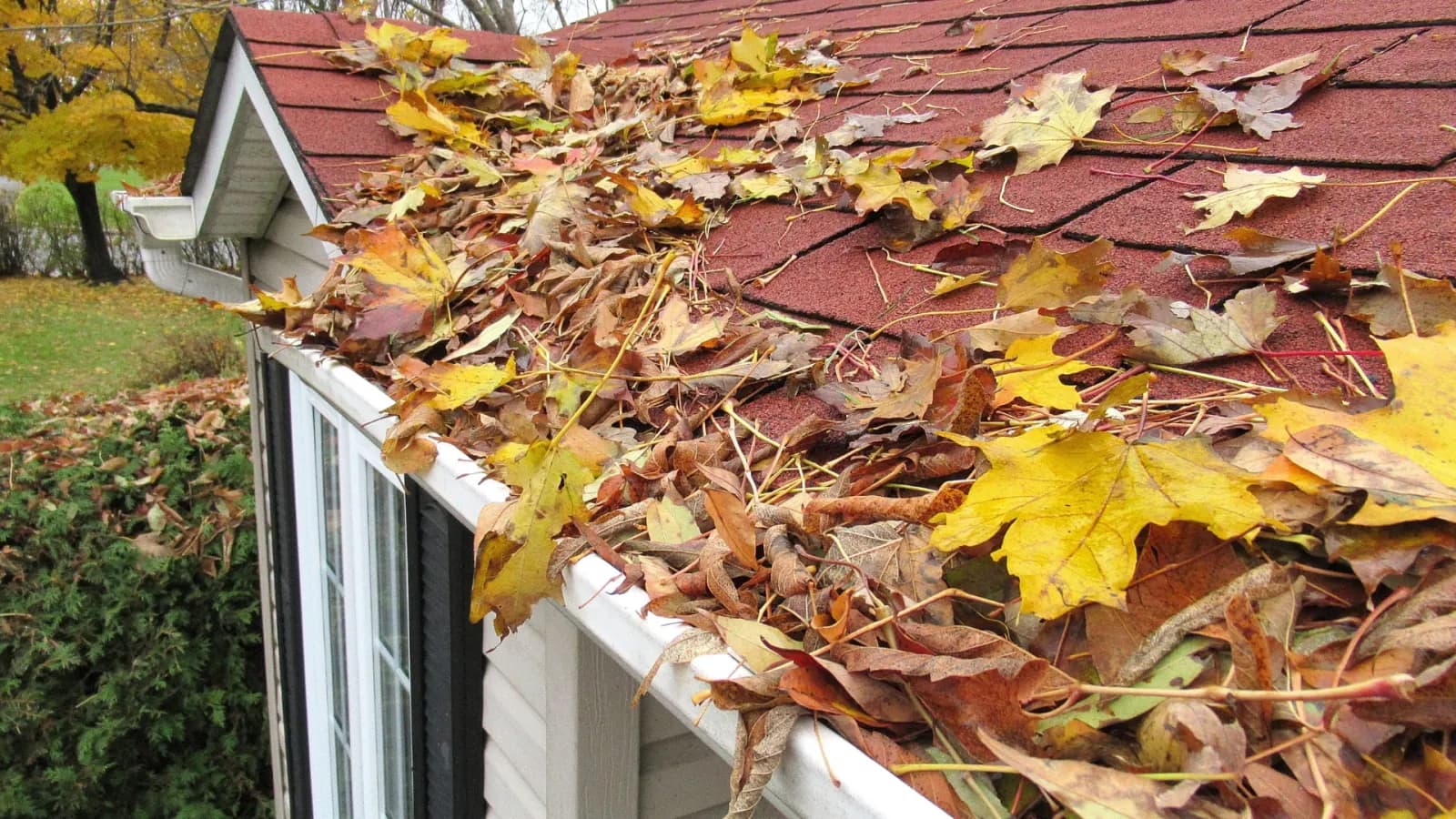
When eavestroughs are packed with leaves, melting snow has nowhere to go. It refreezes at the edge of the roof, builds up into a ridge of ice and pushes water back up under the shingles, where it can drip into your attic, walls and ceilings. Water damage from ice dams can be costly, and insurance may not cover it if it's considered a maintenance issue.
Wait until most of the leaves have fallen, then:
- Clear out the eavestroughs and flush them with a hose to check that water runs to the downspouts.
- Make sure each downspout is clear and discharges onto a splash pad or extension that carries water away from the foundation.
- Tighten any loose brackets or sagging sections so the eavestroughs hold the weight of snow and ice.
If you're not comfortable on a ladder, this is a good one to hand off as part of your regular exterior upkeep.
4. Repair damaged exterior trim
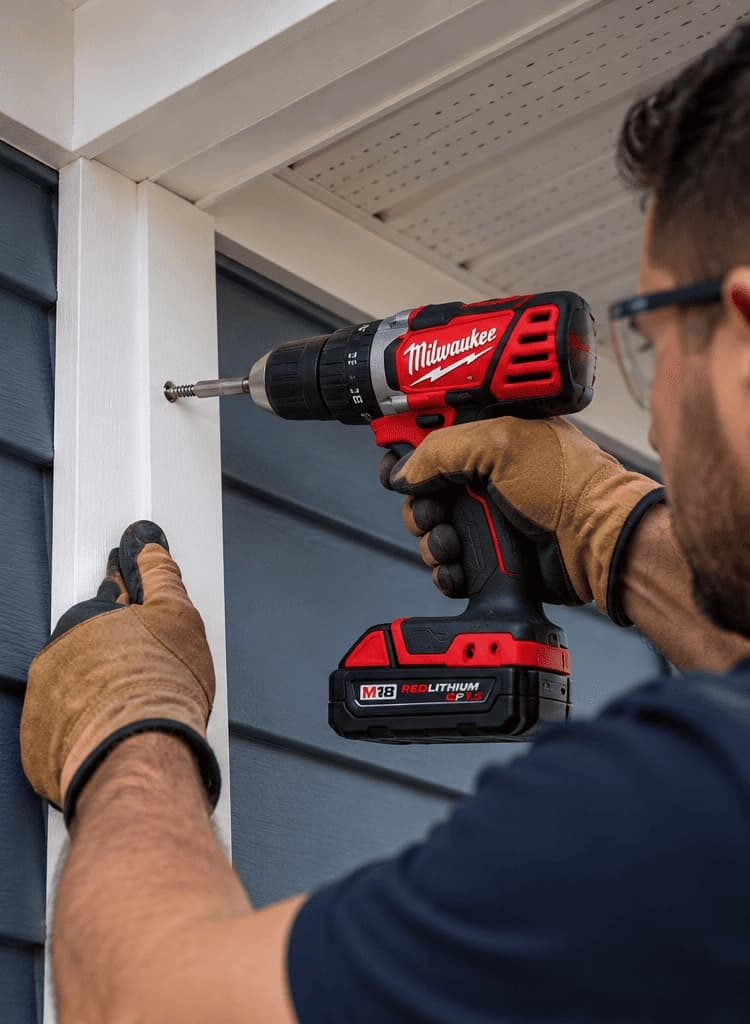
Look at the wood trim around your windows, doors and the base of the walls, and press gently on anything that looks darker, cracked or swollen. If it feels soft, water is already getting in.
Over the winter, that moisture freezes and expands, pushing the damage further into the wood and the wall behind it. Small areas can sometimes be cut out and patched, but rot that has spread usually means replacing the board. Fall is the time to do it, because paint and caulking need temperatures above freezing to cure properly. Repairing and repainting exterior trim now is far easier than dealing with a rotted window sill or water stain inside the house in spring.
5. Shut off and drain your outdoor taps
An outdoor tap that's left on can freeze, and the ice can split the pipe inside your wall. You often won't know until the spring, when you turn the tap on and water runs into your basement instead.
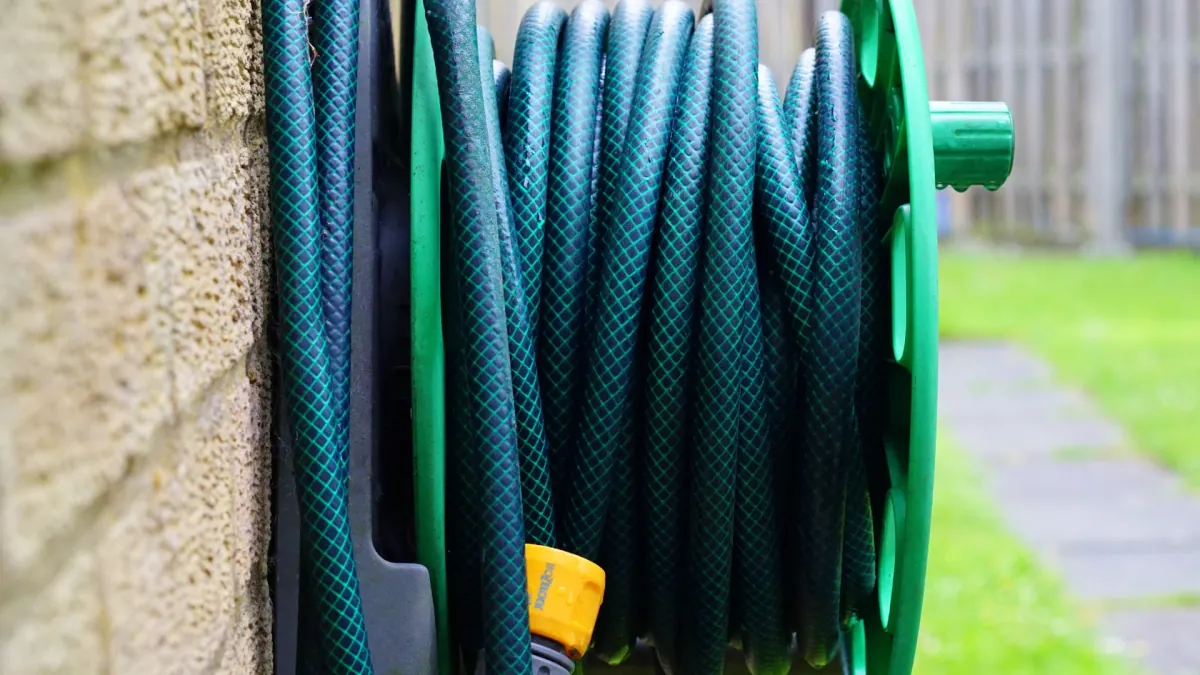
- Disconnect and drain your garden hoses.
- Turn off the indoor shut-off valve that feeds each outdoor tap.
- Open the outdoor tap to let the remaining water drain out, and leave it open for the winter.
Some newer homes have frost-free taps, which have the valve further inside the wall. They still need the hose disconnected, or water can be trapped and freeze.
Make it part of a routine
None of these jobs is complicated, but they're easy to put off until the first snowfall. If you live in a new build, keep in mind that even a new home warranty won't cover damage from skipped maintenance, so these habits matter from your first fall.
With a BQHS membership, one of our technicians checks your caulking, weatherstripping, trim and other seasonal items on a regular schedule and handles the small fixes before winter sets in.
Disclaimer: This article is general information for homeowners. Always follow product instructions, use a ladder safely and contact a qualified professional for roof work, plumbing or anything beyond your comfort level. Insurance coverage varies by policy, so check yours for details on water damage and ice dams.
Frequently Asked Questions
- When should I do fall home maintenance in Canada?
- Aim to finish before overnight temperatures stay below freezing. In most of Canada, that's between late October and mid-November. Caulking and paint need above-freezing temperatures to cure.
- What's the most important fall maintenance job?
- Keeping water out. Resealing gaps, cleaning eavestroughs and draining outdoor taps prevent most of the water damage that shows up over winter.
- How do I know if my caulking needs replacing?
- Look for cracks, gaps, shrinkage or caulking that has pulled away from the surface. If you can press a fingernail into a gap or see daylight, it's time to replace it.
- How do I prevent ice dams?
- Keep your eavestroughs and downspouts clear so melting snow can drain off the roof. Attic insulation and ventilation also play a big role, so if ice dams keep forming, have your attic checked.
- Do I need to shut off frost-free outdoor taps?
- Frost-free taps are designed to resist freezing, but you still need to disconnect the hose. A connected hose can trap water inside the tap, where it can freeze and crack the pipe.
- Is it too late to caulk in November?
- It depends on the weather. Most exterior caulking needs temperatures above freezing, often 5°C or higher, to cure properly. Check the product label, and if it's too cold, a temporary fix and a proper reseal in spring may be the safer choice.