
For many landlords, the days between tenants are the busiest of the year. In Quebec, most leases end on June 30, which can leave you a day or less to get a unit ready. In other provinces, summer is still the peak season for moves, and the window between tenants is rarely as long as you'd like.
We see a lot of turnovers, and the ones that go smoothly have something in common. The work is planned before the old tenant moves out. This checklist walks through what to do, in the order we recommend.
Practical Takeaways
- Book your trades and order materials before the old tenant leaves, especially for July 1.
- Inspect the unit the same day it's empty, and take dated photos.
- Fix safety items first: alarms, locks, railings and anything electrical.
- Then fix anything that doesn't work, and leave cosmetic work for last.
- Keep receipts and photos for every repair. They help with deposits, disputes and taxes.
Before the old tenant leaves
Most of a good turnover happens before move-out day. A few weeks ahead:
- Do a walkthrough with the current tenant, with proper notice, and make a list of what needs attention.
- Book any trades you'll need. Painters and handymen are hard to find in the last week of June.
- Order materials that may take time to arrive, like replacement blinds, fixtures or appliance parts.
- Agree on a move-out time with the outgoing tenant and a move-in time with the new one.
If you're in Quebec, you're expected to deliver the dwelling in good condition on the date in the lease, so a short window doesn't change what the new tenant can expect. Other provinces have similar rules. In Ontario, for example, landlords must keep a rental in a good state of repair and meet health, safety and maintenance standards.
Move-out day: inspect and document
As soon as the unit is empty, walk through it room by room. Take dated photos and compare them with the move-in report or photos from the start of the lease. This is the record you'll use for any damage beyond normal wear and tear, so be thorough.
Test everything as you go. Turn on every tap, flush the toilets, run the appliances, open and close every window and door and flip every switch.

Safety first
Before anything cosmetic, make sure the unit is safe for the next tenant.
- Test every smoke and carbon monoxide alarm, replace batteries and check the dates. Replace any alarm that's past its expiry.
- Rekey or change the locks. You don't know who has copies of the old keys.
- Check railings, stairs and balconies for anything loose or damaged.
- Look for any electrical issues, like missing cover plates, loose outlets or switches that don't work. Use a licensed electrician for anything beyond a cover plate.
Fix what's broken
Next, deal with anything that doesn't work properly. Common turnover repairs include:
- Leaky taps, running toilets and slow drains
- Doors that stick or don't latch, and closet doors off their tracks
- Broken or bent blinds and window screens
- Loose towel bars, toilet paper holders and cabinet doors
- Appliances that aren't working properly
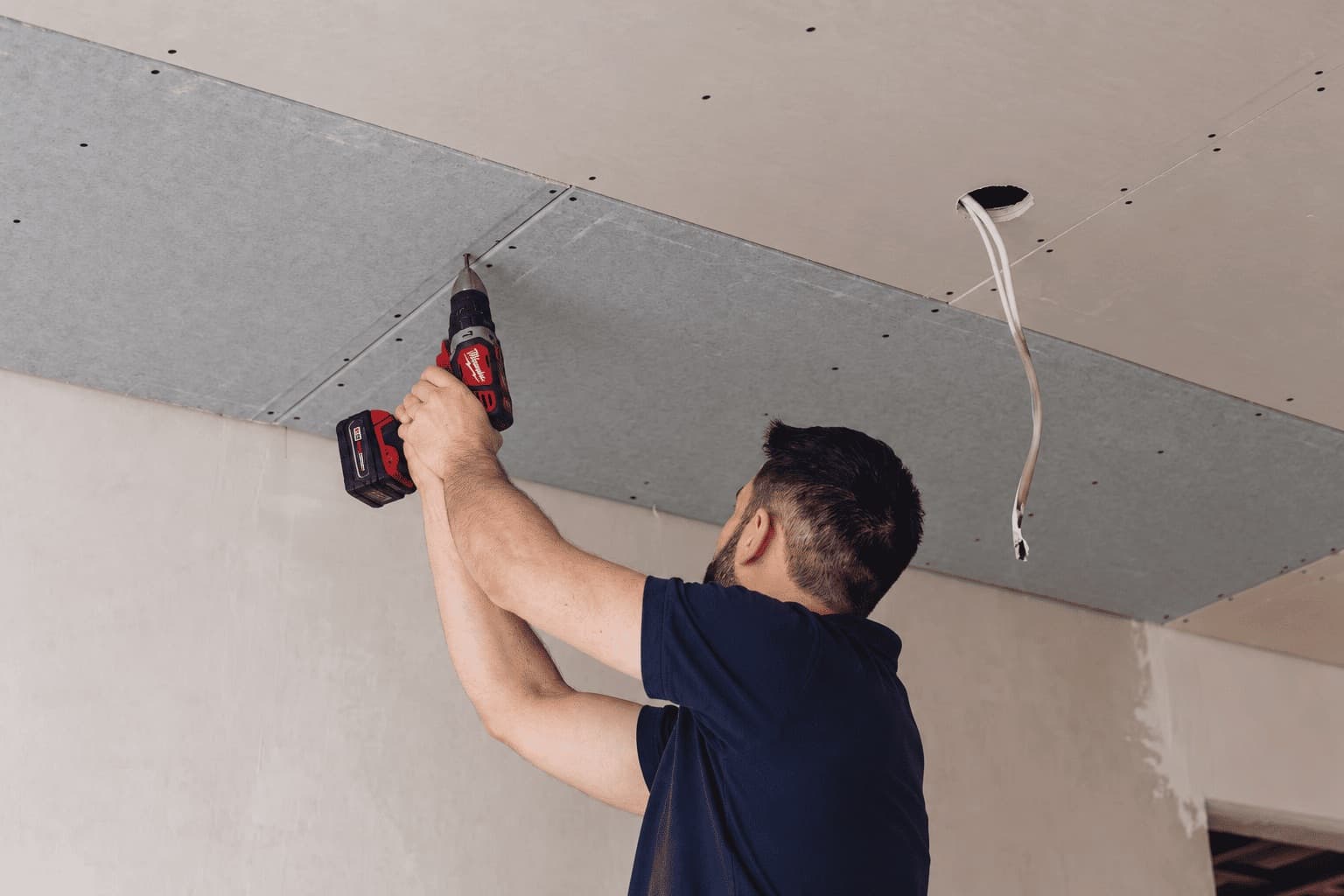
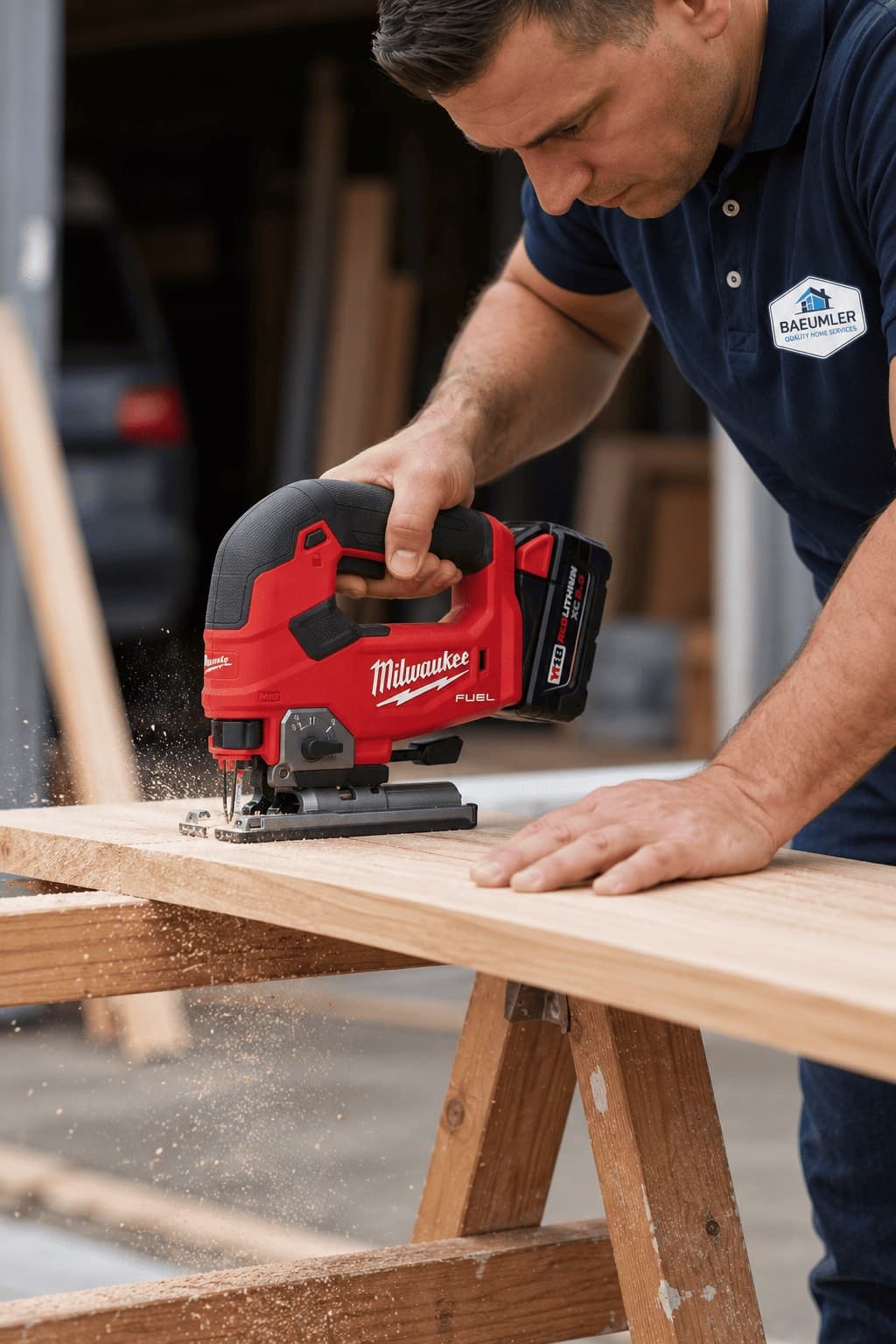
Most of these are small on their own, but they add up quickly in a short window. Grouping them into one block of turnover repairs is much faster than booking them one by one.
Walls, paint and caulking
Walls take the most wear in a rental. Picture hooks, furniture, moving day and everyday life all leave marks.
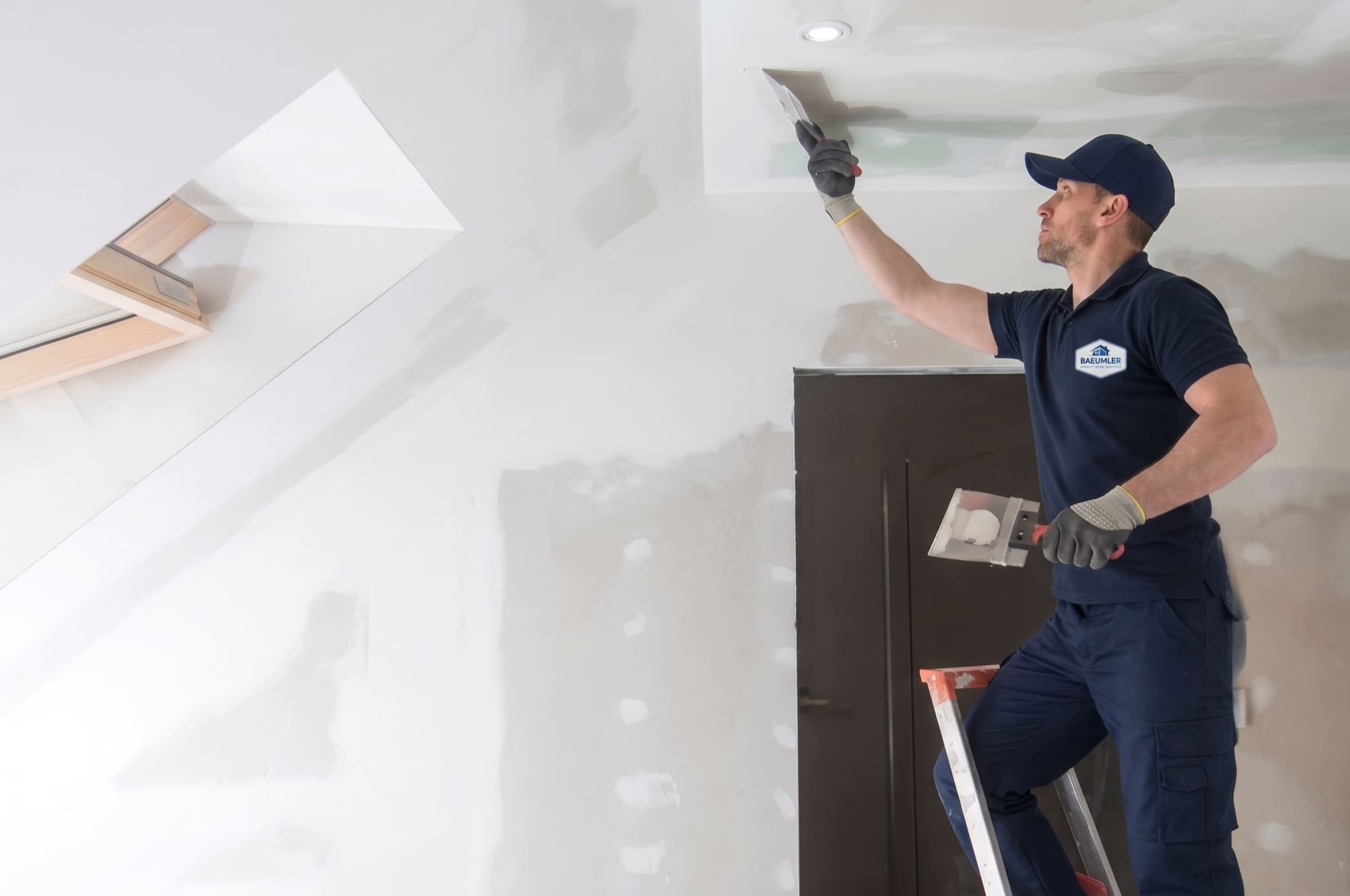
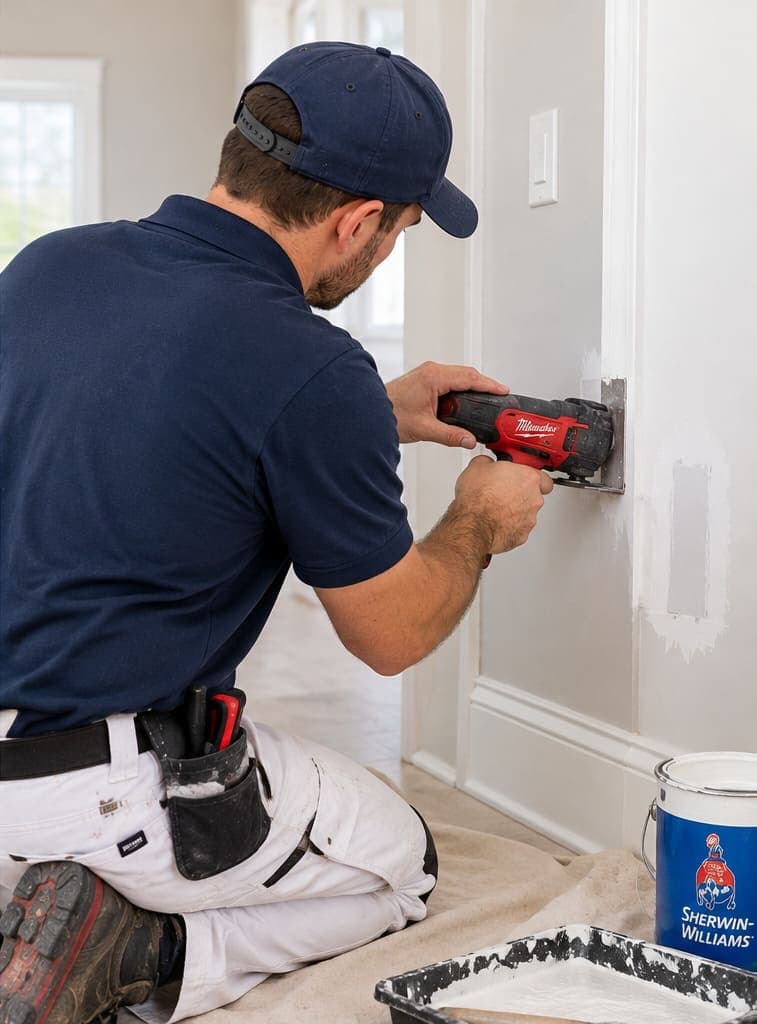
Fill nail holes and anchor holes, repair dents and touch up scuffs. If more than a few spots need attention, it's usually faster and looks better to repaint the whole wall or room. Larger holes and any water stains take more time, so it helps to know what drives drywall repair costs before you get a quote. A quick patch and paint between tenants also keeps the unit from looking tired over time.
In the kitchen and bathroom, check the caulking around the tub, shower, sinks and counters. Mouldy, cracked or peeling caulk is one of the first things a new tenant notices. Cutting out old caulking and replacing it with a fresh, clean line makes a bathroom look much newer.
Finishing touches
Once the unit is safe and everything works, finish with the small things that make a good first impression:
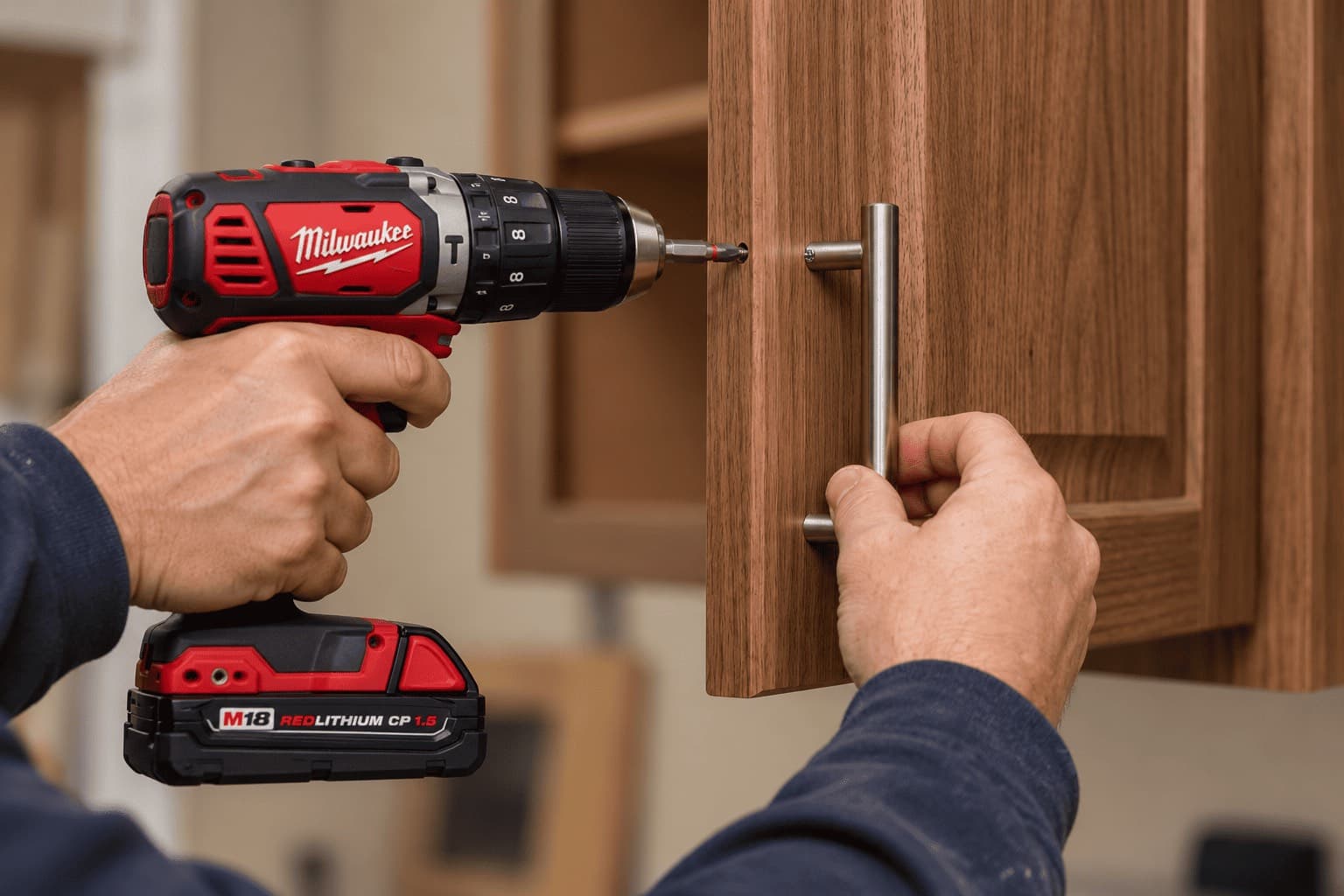
- Replace worn or mismatched hardware, like cabinet pulls and door handles.
- Replace burnt-out bulbs and dated light covers.
- Clean or replace the furnace filter and range hood filter.
- Do a full clean, including inside the appliances, cupboards and windows.
Then do a final walkthrough with your checklist, take a new set of dated photos and complete the move-in report with your new tenant.

If you only have one day
On July 1, there may only be a few hours between the old tenant leaving and the new one arriving. If that's your situation, focus on what the new tenant needs on day one:
- Working smoke and carbon monoxide alarms, and new keys
- Running water, a working toilet and working appliances
- A clean unit, especially the kitchen and bathroom
Cosmetic work like painting and hardware can be scheduled for later in the month, with proper notice to the tenant.
Make the next turnover easier
The more you keep up with repairs during a tenancy, the less you'll have to do between tenants. With a BQHS membership, one of our technicians checks your property on a regular schedule and catches small issues during the lease, so turnover day is about getting ready instead of catching up. The Elite plan includes bundled labour hours, which work well for landlords with more than one unit.
Disclaimer: This article is general information for landlords, not legal advice. Landlord obligations, notice periods and safety requirements differ by province and municipality. Check the rules where your property is located, and use a licensed professional for electrical, plumbing and gas work.
Frequently Asked Questions
- What should a landlord fix between tenants?
- Start with safety: smoke and carbon monoxide alarms, locks and railings. Then fix anything that doesn't work, like taps, toilets, doors and appliances. Finish with patching, painting, caulking and hardware.
- How long does a rental turnover take?
- It depends on the condition of the unit. A unit in good shape can often be turned over in a day or two. Planning ahead and booking trades early is the key to a short turnover, especially around July 1.
- Should I repaint between every tenant?
- Not always. Touch up small marks if the paint is in good condition. If walls have many marks or a different colour, repainting the room is often faster and looks better.
- Do I need to change the locks between tenants?
- We recommend it. Rekeying or replacing the locks means no one from a previous tenancy still has access.
- Why do so many leases in Quebec end on July 1?
- Most residential leases in Quebec end on June 30, which makes July 1 the province's main moving day. Landlords often have very little time between tenants.
- What's the difference between normal wear and tear and damage?
- Normal wear and tear is the gradual aging of a unit through everyday use, like faded paint or light scuffs. Damage is beyond that, like large holes or broken fixtures. Rules differ by province, so check what applies where your property is located.