
If you've just moved into a newly built home, it comes with a warranty that protects you against defects in how it was built. In Ontario, that's Tarion. In British Columbia, it's the 2-5-10 warranty, and in Alberta, it's the 1-2-5-10 warranty. All three cover similar things, but how long the coverage lasts, who handles your claim and the deadlines you need to meet are different in each province.
The deadlines are what most new owners miss. Your builder only has to fix a defect if you report it within the right window, so it helps to know your dates before anything goes wrong. Below, we walk through how each warranty works and what you can do now to keep your coverage.
Practical Takeaways
- Find your warranty certificate or enrolment details and note the date your coverage started.
- Add every reporting deadline to your calendar now, before you need it.
- Report defects in writing, with photos and dates, and keep copies of everything you send.
- Know who handles your claim. In Ontario, it's Tarion. In BC and Alberta, it's the private warranty provider named on your certificate.
How the three warranties compare
The table below shows the minimum coverage each province requires.
| Ontario (Tarion) | British Columbia (2-5-10) | Alberta (1-2-5-10) | |
|---|---|---|---|
| Who backs it | Tarion, a non-profit set up under provincial law | A private warranty provider, required by the Homeowner Protection Act | A private warranty provider, required by the New Home Buyer Protection Act |
| Workmanship and materials | 1 year | 2 years (all defects in the first 12 months, more limited after that) | 1 year |
| Electrical, plumbing and heating | 2 years | 2 years | 2 years |
| Building envelope and water | 2 years | 5 years | 5 years |
| Structure | 7 years | 10 years | 10 years |
| Where you file a claim | Tarion's MyHome portal, using set forms | Your warranty provider | Your warranty provider |
Your warranty certificate will list the exact terms for your home, which can go beyond these minimums.

How Tarion works in Ontario
Your Tarion coverage starts on the day you take possession of your home. For the first year, it covers workmanship and materials and makes sure your home meets the Ontario Building Code. For two years, it covers water coming in through the basement, foundation, windows or building envelope, as well as problems with your electrical, plumbing and heating systems. Major structural defects are covered for seven years.
In Ontario, you report defects to Tarion using specific forms, and each one has its own filing window:
- 30-Day Form: You can submit one form in your first 30 days. Use it for anything left over from your pre-delivery inspection and anything new you've found since moving in.
- Year-End Form: You can submit one form in the last 30 days of your first year. It's your final chance to report items under the one-year warranty.
- Second-Year Form: You can submit this form at any time during your second year, and more than once if needed.
- Major Structural Defect Form: You can submit this form after your second year, up until the end of year seven.
Once you submit a form on time, your builder has 120 days to make the repairs. If anything is still unresolved after that, you have 30 days to ask Tarion for a conciliation, where a Tarion representative inspects the item and decides whether it's covered. If you don't make that request in time, Tarion can no longer help you with those items. Signing up for Tarion's MyHome portal lets you submit forms online and get reminders before each deadline.
How the 2-5-10 warranty works in British Columbia
In BC, builders must be licensed by BC Housing, and every new home has to be enrolled with an approved warranty provider before the building permit is issued. If you need to make a claim, you'll deal with that provider rather than BC Housing.
For the first 12 months, your warranty covers defects in materials and labour. From 12 to 24 months, coverage is limited to electrical, plumbing, heating, ventilation and air conditioning, along with exterior cladding, caulking, windows and doors. The building envelope is covered for five years, and structural defects are covered for 10.
Your coverage starts when you sign the Warranty Commencement Date Certificate, either at title transfer or when you move in, whichever comes first. Your certificate also explains how and when to report a defect, so we recommend reading it closely as soon as you receive it.
How the 1-2-5-10 warranty works in Alberta
Alberta's New Home Buyer Protection Act sets the minimum coverage for every new home: one year for labour and materials like flooring, cabinets and trim, two years for electrical, plumbing and heating systems, five years for the building envelope and 10 years for major structural parts such as the frame and foundation.
Coverage starts on the earliest of three dates: the day you move in, the day the municipality gives permission to occupy or the day title transfers. If you sell your home, any remaining coverage passes to the next owner, which is helpful to know if you're buying a home that's only a few years old.
To make a claim, you contact your warranty provider. They'll assess the problem and work with your builder to fix it. If you're not sure who your provider is, the Government of Alberta's Residential Protection Program can point you in the right direction.
What these warranties don't cover
None of the three warranties cover normal wear and tear or damage caused by a lack of maintenance. Tarion also excludes damage caused by other people, HVAC appliances and natural events like floods and severe storms.
This is why regular upkeep matters, even in a brand-new home. If exterior caulking is left to crack or a bathroom fan isn't used, the moisture damage that follows may not be covered.
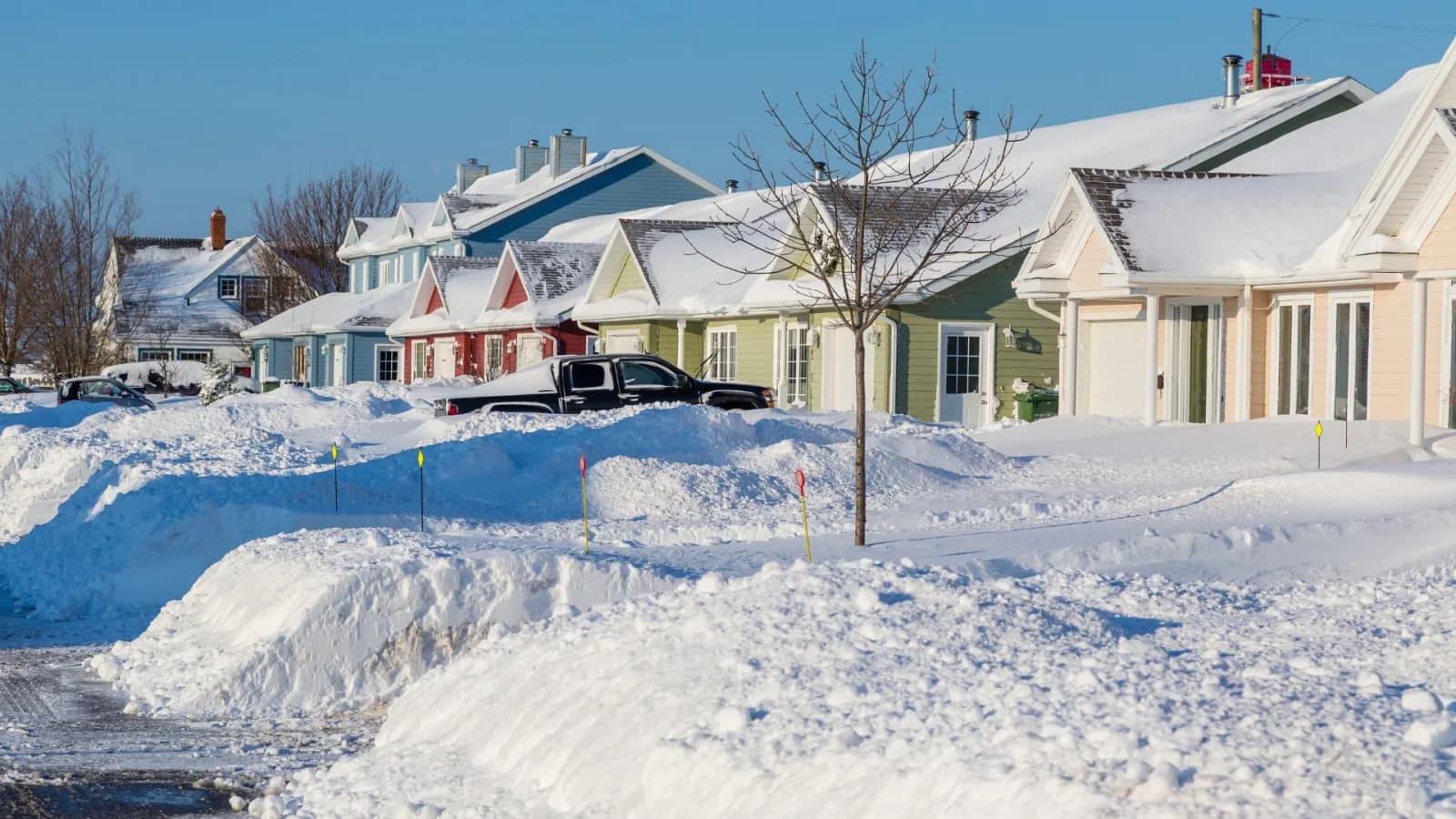
Some issues are simply part of a new home settling in. As the framing dries out, it's common to see nail pops and small drywall cracks, especially during your first winter in a new build. You should still report them through your warranty. For any repairs that fall outside it, our team can take care of ceiling and drywall repairs for you.

Keeping your coverage protected
Your warranty was included in the price of your home, so it's worth making sure you can use it. Keep a record of your start date and every reporting deadline, take photos of any defect as soon as you notice it and submit your reports on time.
If you'd like help staying on top of it all, we can track every statutory deadline and document each step for you with BQHS Warranty Shield, so the coverage you paid for stays in place.
Legal disclaimer: This article is general information for homeowners, not legal advice. Warranty terms, limits and deadlines can change, and they can differ by builder, warranty provider and type of home, including condos. Always confirm the details in your warranty documents or with Tarion, BC Housing, your warranty provider or a lawyer.
Frequently Asked Questions
- What's the difference between Tarion and the BC 2-5-10 warranty?
- Tarion is Ontario's warranty program, run by a single organization with set forms and deadlines. In BC, the 2-5-10 warranty comes from a private provider chosen by your builder. BC's coverage for the building envelope and structure also lasts longer: five and 10 years, compared with two and seven years in Ontario.
- When does my new home warranty start?
- In Ontario, it starts on your date of possession. In BC, it starts at title transfer or when you move in, whichever comes first. In Alberta, it starts on the earliest of move-in, permission to occupy or title transfer.
- What happens if I miss Tarion's 30-Day or Year-End Form?
- You can only submit one of each form, so any items you don't report during those windows may no longer be covered at that stage. Setting up your MyHome account is the easiest way to get reminders before each deadline.
- Does my warranty transfer if I sell my home?
- In Alberta, any remaining coverage stays with the home. Coverage is also tied to the home in Ontario and BC, but it's best to confirm the details with Tarion or your warranty provider.
- Does my warranty cover maintenance issues?
- No. All three provinces exclude normal wear and tear and damage caused by a lack of maintenance. Keeping up with seasonal maintenance helps protect your claim if something does go wrong.
- What about Quebec and other provinces?
- Each province has its own program and rules. Quebec, for example, has a mandatory plan called the Garantie de construction résidentielle. Check with your province's warranty program before relying on the information in this article.