Once the furniture is in and the beds are made, it's tempting to start with the fun projects, like paint colours and new light fixtures. Those can wait. A few installs make your home safer, more private and easier to live in right away, and they're worth doing in your first month, whether you've moved into a new build or a resale home.
Practical Takeaways
- Rekey or replace every exterior lock, including the door from the garage.
- Put up window coverings in bedrooms and street-facing rooms first.
- Anchor dressers, bookcases and TVs to wall studs before they're fully loaded.
- Add the bathroom basics, and install grab bars into studs or solid backing.
- Set up closet and garage storage so the last boxes actually get unpacked.
1. Change or rekey your locks
There's no way to know how many copies of your keys are out there. Previous owners may have given them to family, neighbours or contractors, and in a new build, trades often shared the same keys or lockbox codes for months.
You can rekey your existing locks, which changes the pins inside so old keys stop working, or replace them entirely. Rekeying is quicker and works well if the hardware is in good shape. Replacing makes more sense if you want to switch to a smart lock or update your door hardware to match the rest of the house.
Remember the side door, any patio door with a keyed lock and the door from the garage into the house.
2. Put up window coverings
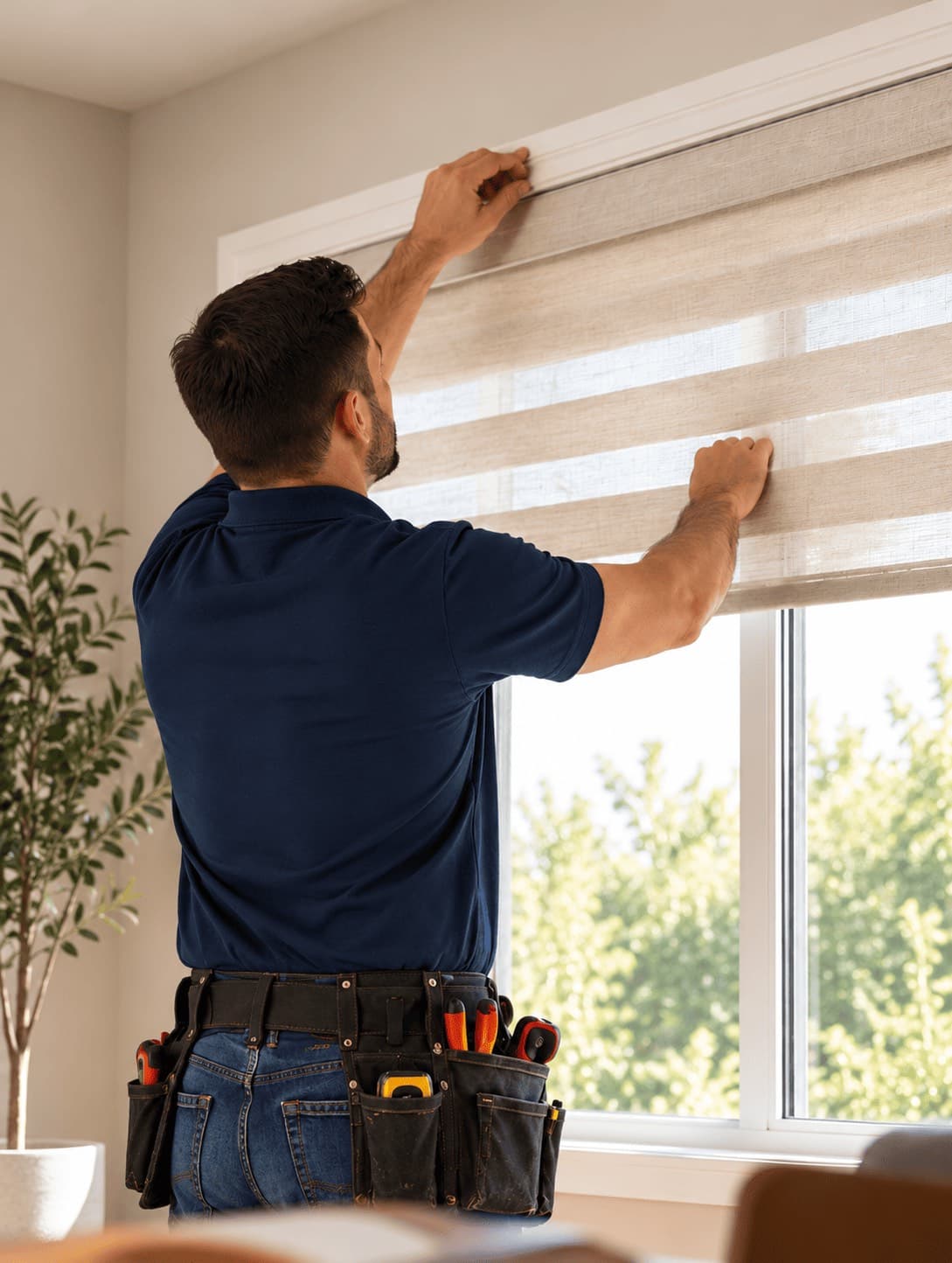
Bedrooms come first, followed by any room that faces the street. Beyond privacy, the right window coverings help with comfort: cellular shades and lined curtains cut down on cold drafts in winter, and they stop south- and west-facing rooms from overheating in summer.
If you have young children, choose cordless blinds. Loose cords are a strangulation risk, which is why Canada's corded window covering rules limit any cord a child can reach to 22 cm. If the previous owners left older corded blinds behind, replacing them is an easy safety upgrade.
3. Anchor tall furniture and mount your TV
Dressers, bookcases and TVs can tip over when a child pulls on a drawer or tries to climb, and children between one and three are involved in more than 70% of reported TV tip-overs. Even if you don't have kids, it's worth doing for visiting nieces, nephews and grandkids.
- Secure dressers and bookcases to a wall stud with an anti-tip strap or bracket.
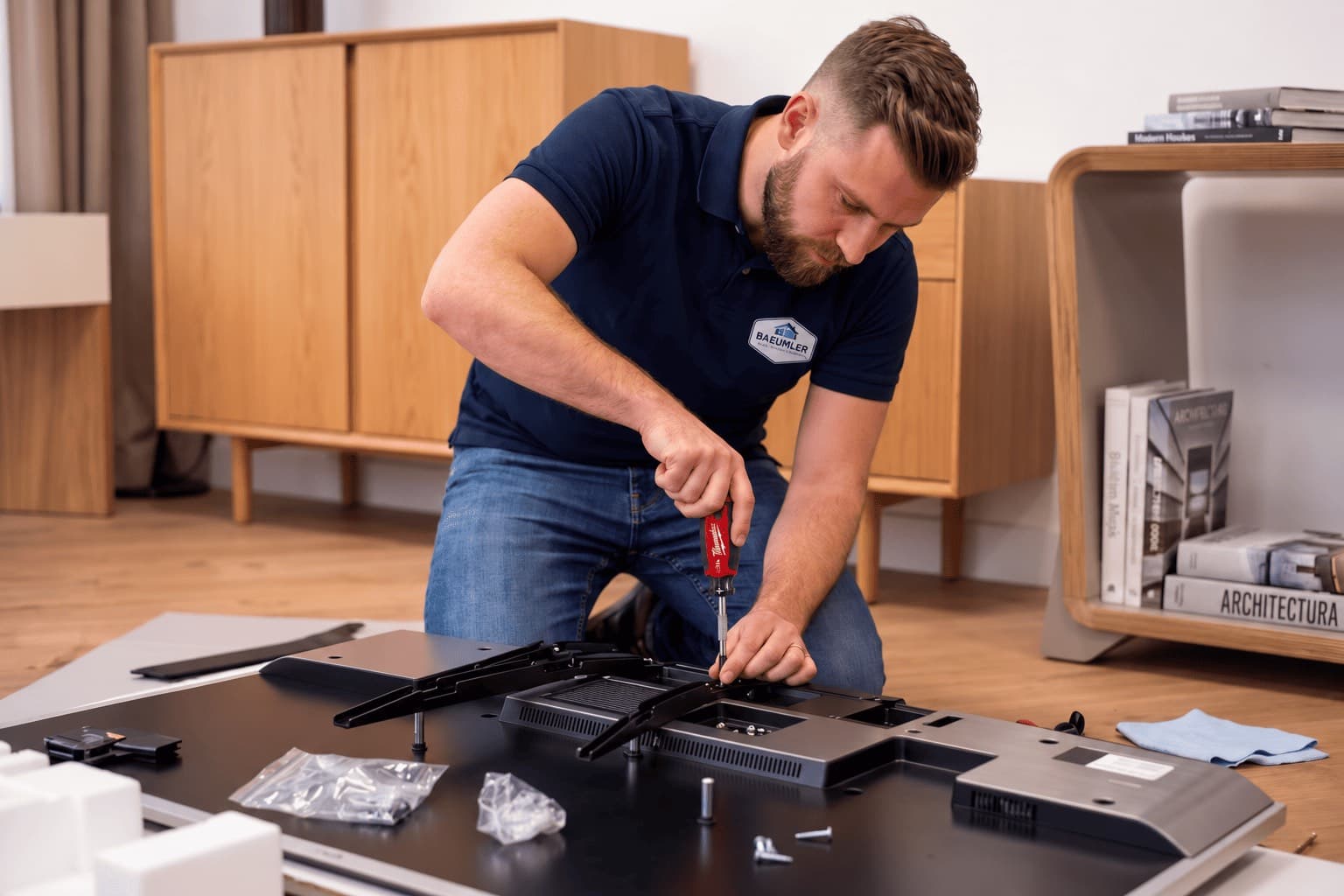
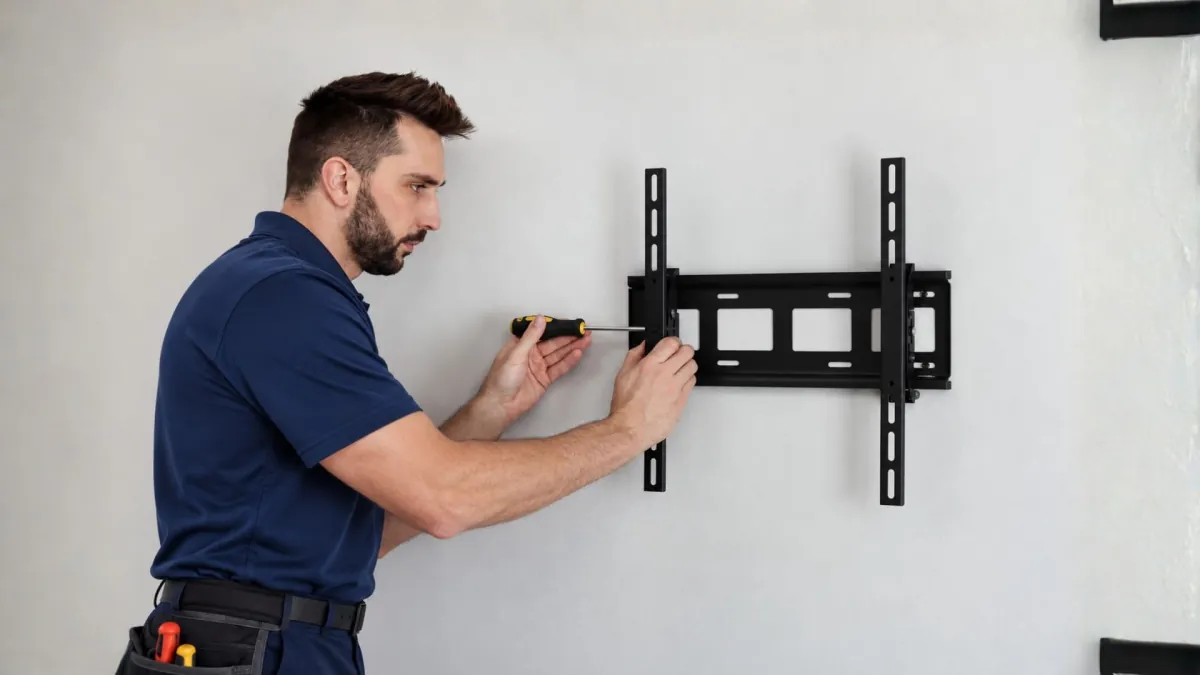
- Mount your TV on the wall, or strap it to its stand if it's staying on furniture.
- Keep heavy items in the lowest drawers and nothing tempting on top of tall furniture.
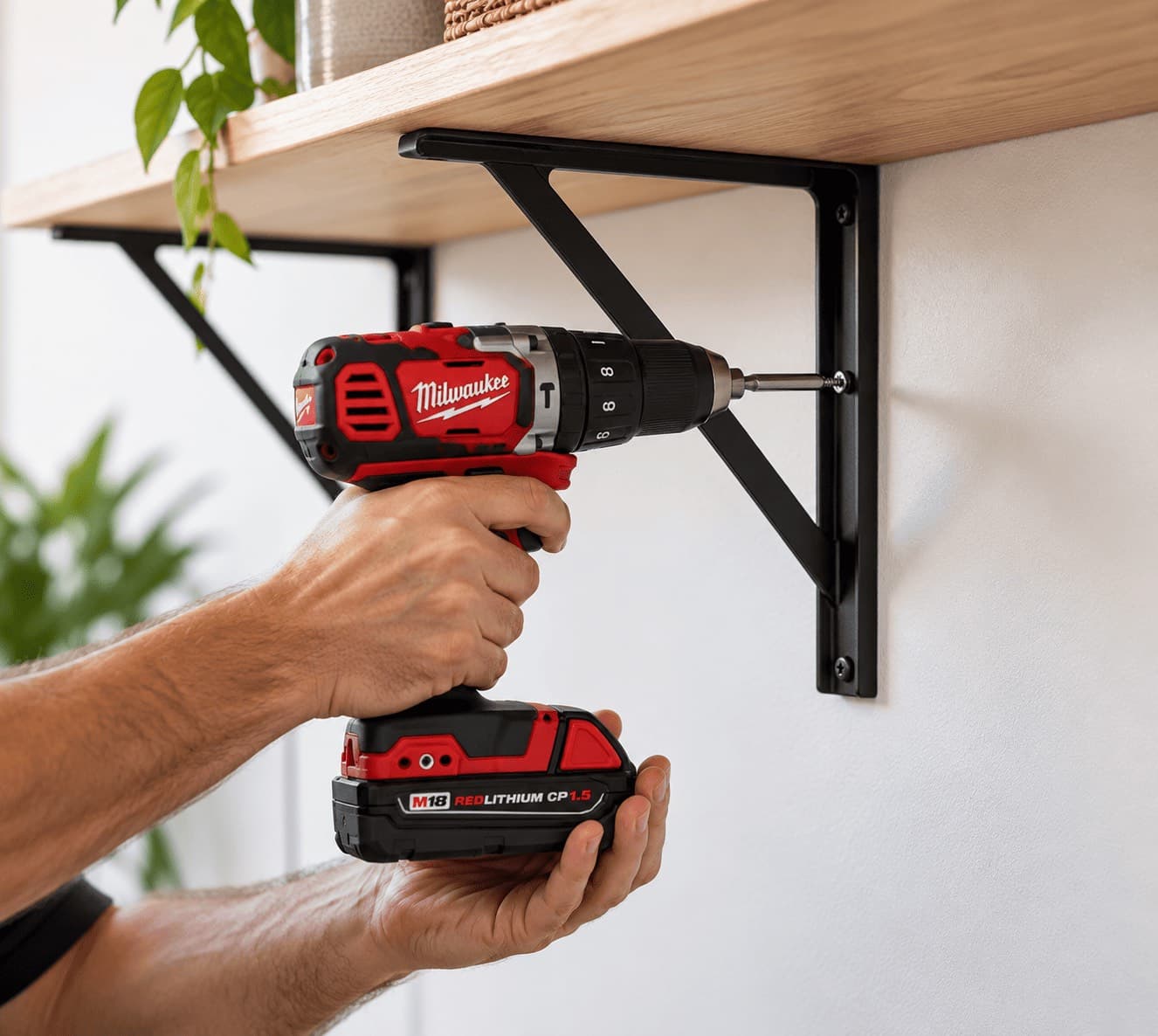
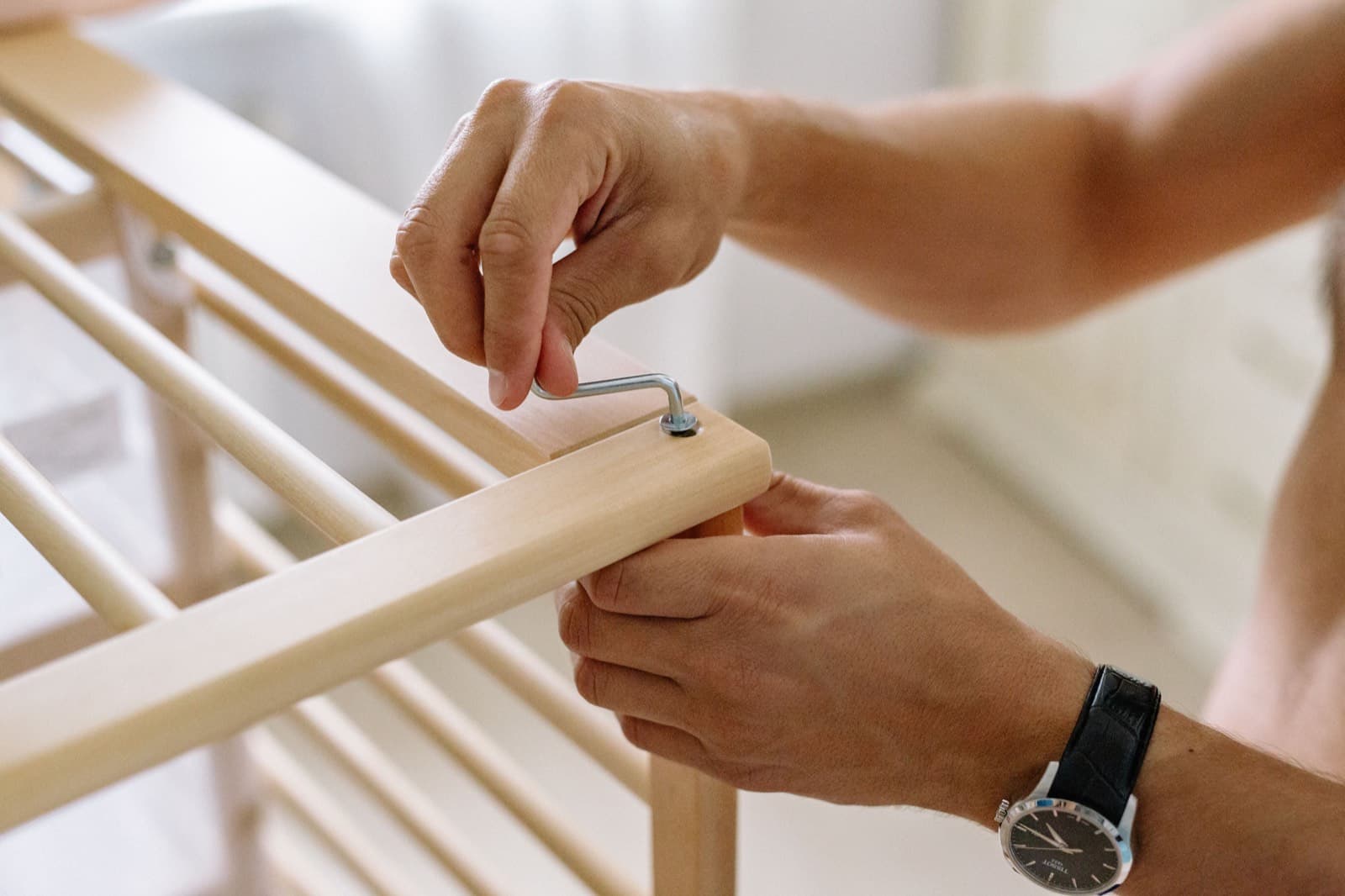
What matters most is attaching to studs. The plastic anchors that come in the box often aren't rated for a fully loaded dresser or a large TV, which is why wall-mounted TVs and shelves should always go into framing. It's also easiest to anchor a piece right after it's been assembled, before it's pushed into place and filled.
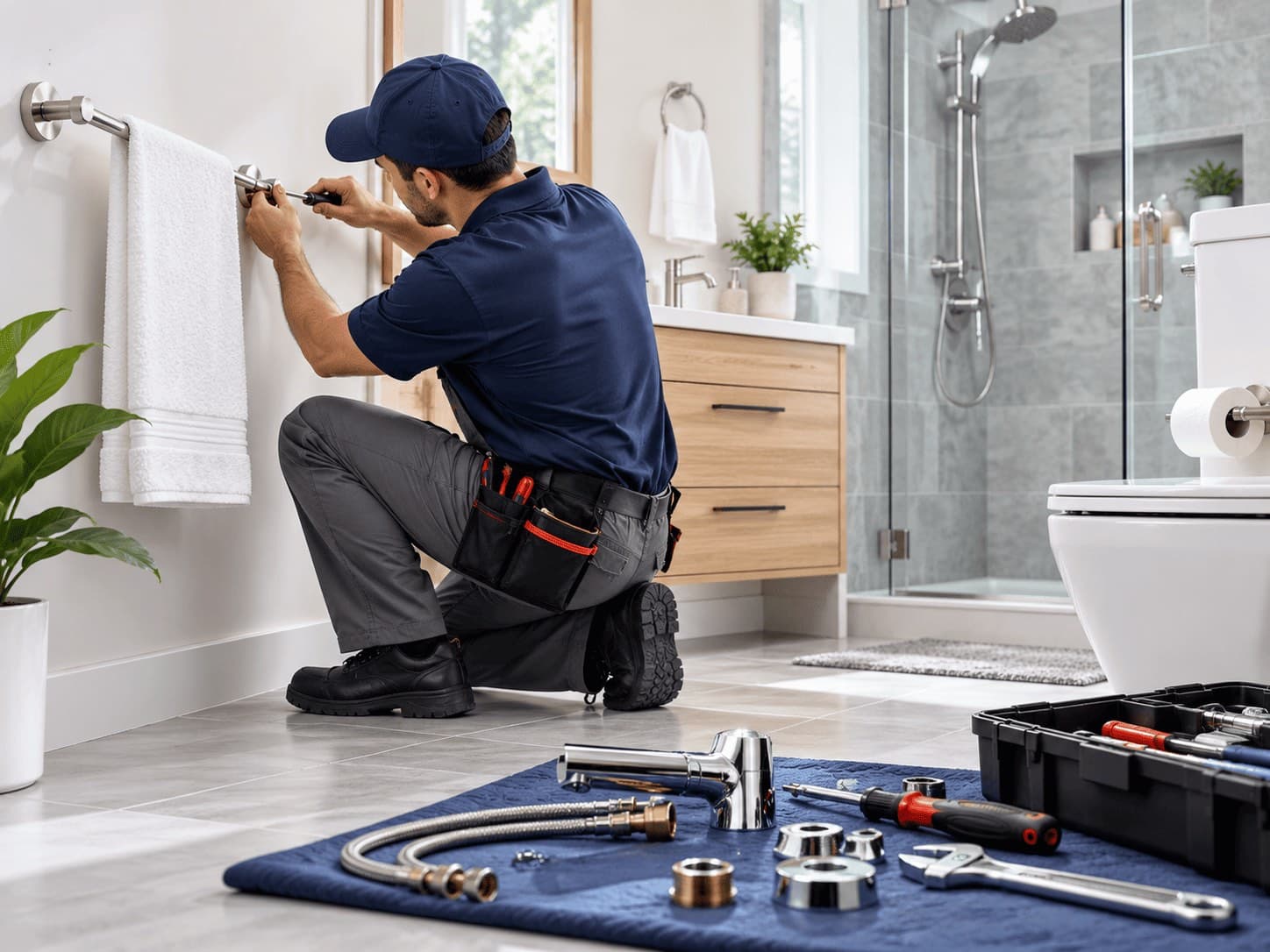
4. Finish the bathrooms
New builds often come with only the basics in the bathroom, and in older homes, the existing hardware is often loose or in an awkward spot. Check for:
- Towel bars and hooks within reach of the shower or tub
- A toilet paper holder
- A shower rod or door that works properly
- Grab bars, if older parents visit or stay with you
Grab bars are different from other bathroom accessories. They have to hold a person's full weight, so they need to be screwed into studs or solid backing, and a towel bar should never be used as one.
5. Set up closet and garage storage
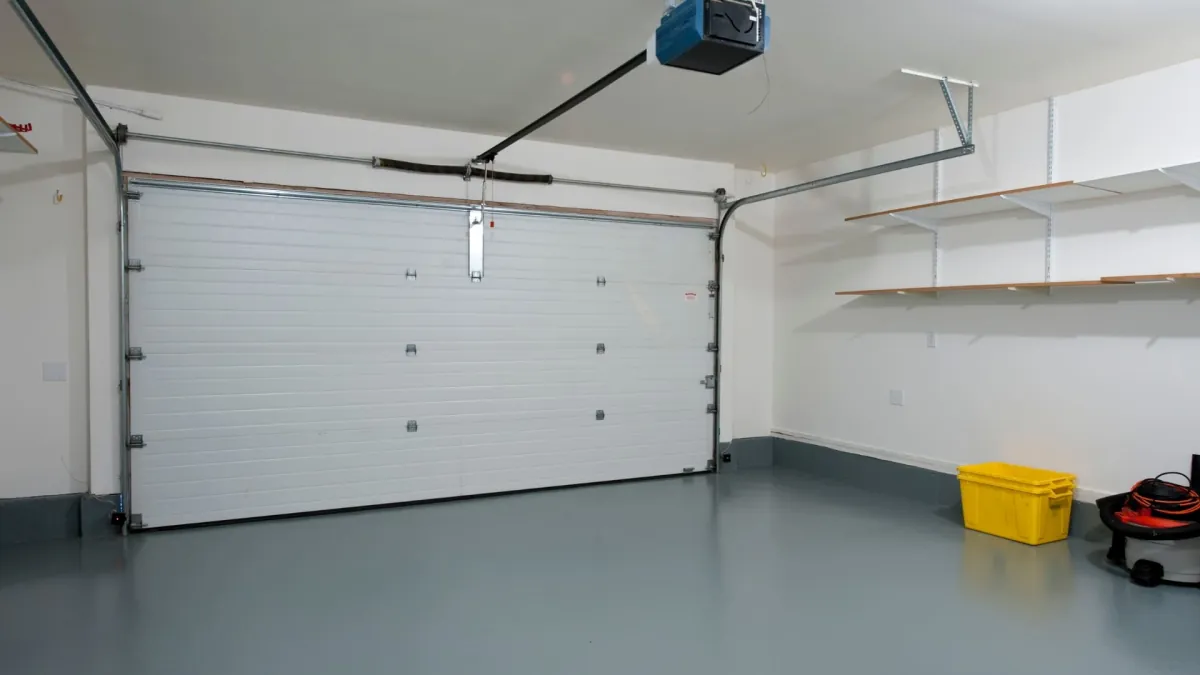
Builder-standard closets usually have one rod and one shelf, and most garages have nothing on the walls. Adding shelving and storage gives the last boxes somewhere to go and keeps bikes, tools and seasonal gear off the floor before winter boots and shovels pile up.
What can wait
Paint, light fixtures, backsplashes and closet redesigns all make more sense once you've lived in the house for a season and know how you use each room.
In a new build, hold off on drywall touch-ups too. Nail pops and small cracks are normal while the framing dries out, and it's easier to fix them all at once later in the first year.
After the first month, the focus shifts to keeping small problems small. With a BQHS membership, one of our technicians walks through your home on a regular schedule and gives you a plain-language report on what needs attention.
Disclaimer: This article is general information for homeowners. Product requirements, building codes and safety guidance can change. Always follow the manufacturer's installation instructions, and contact a qualified professional for anything electrical, structural or beyond your comfort level.
Frequently Asked Questions
- What should I do first after moving into a new house?
- Start with safety and security. Rekey or replace your locks, test your smoke and carbon monoxide alarms and anchor any tall furniture. Window coverings, bathroom hardware and storage come next.
- Should I change the locks on a new build?
- Yes. Trades and site staff often shared keys or lockbox codes during construction, so rekeying or replacing the locks is a smart first step.
- Is it better to rekey or replace locks?
- Rekeying is quicker and works well if the hardware is in good condition. Replacing makes sense if you want smart locks or a different style or finish.
- Do I need to anchor furniture if I don't have kids?
- It's still a good idea if children ever visit. Tip-overs are most dangerous for children between one and three.
- Can I mount a TV with drywall anchors?
- For most TVs, no. Mount into wall studs, since drywall anchors alone often aren't rated for the weight of a TV and its mount.
- What home projects can wait until later?
- Painting, new light fixtures, backsplashes and other cosmetic updates can usually wait until you've lived in the home for a few months.